Table of Contents
- Why Roof Mold Keeps Returning After Cleaning
- How to Remove Black Streaks From Roof Shingles and Keep Them Gone
- Soft Wash Roof Cleaning Benefits for Long-Term Prevention
- Step-by-Step Prevention Strategy After Professional Cleaning
- Professional Roof Cleaning Frequency for Lasting Results
- Material-Specific Prevention for Asphalt Shingles
- Why Asphalt Shingles Are Prone to Mold and Algae
- Prevention Strategy 1: Soft Wash Cleaning Without Granule Damage
- Prevention Strategy 2: Zinc or Copper Strips for Continuous Protection
- Prevention Strategy 3: Attic Ventilation and Moisture Control
- Prevention Strategy 4: Gutter Maintenance and Drainage
- Prevention Strategy 5: Tree Trimming and Sunlight Exposure
- Long-Term Maintenance Schedule for Asphalt Shingles
- DIY vs. Professional Cleaning: Cost and Effectiveness
- Frequently Asked Questions
Last Updated: October 1, 2026
Why Roof Mold Keeps Returning After Cleaning
Roof mold returns because the underlying conditions persist. Most cleaning addresses only the symptom, moisture, shade, and organic debris create a perfect environment for spores to thrive again. Black streaks indicate moisture retention and poor ventilation in your attic. Without fixing these root causes, mold will keep coming back within months.
You can prevent roof mold recurring after cleaning by tackling the underlying conditions. Mold spores are everywhere; when moisture levels stay high and sunlight is blocked by shade, those spores germinate and spread rapidly.
The biggest mistake homeowners make is cleaning the roof and thinking the job is done. Prevention starts immediately after cleaning, not months later when mold returns.
How to Remove Black Streaks From Roof Shingles and Keep Them Gone
Black streaks on asphalt shingles are typically algae or mold growth. Soft wash roof cleaning removes these safely without the high-pressure damage that strips protective granules and voids warranties. The process applies biodegradable cleaning solution to break down biofilm, then uses low-pressure rinsing to remove dead growth without harming shingles.
Keeping the roof clean requires addressing moisture and ventilation issues. Without prevention, black streaks return within 12 to 18 months in humid climates. Soft washing preserves shingle integrity while eliminating growth that shortens roof lifespan.
Never use a pressure washer on asphalt shingles yourself. High pressure can force water under the shingles, causing leaks and interior damage. Professional soft washing prevents this risk entirely.
Soft Wash Roof Cleaning Benefits for Long-Term Prevention
Soft wash roof cleaning kills spores and biofilm, not just visible growth, creating a surface that stays clean longer. Biodegradable solutions are safe for your roof, gutters, landscaping, and the environment. By removing mold and algae that retain moisture and accelerate deterioration, you extend roof life by years and avoid costly premature replacement.
Step-by-Step Prevention Strategy After Professional Cleaning
After professional cleaning, prevention determines whether mold returns. Here’s what to do:
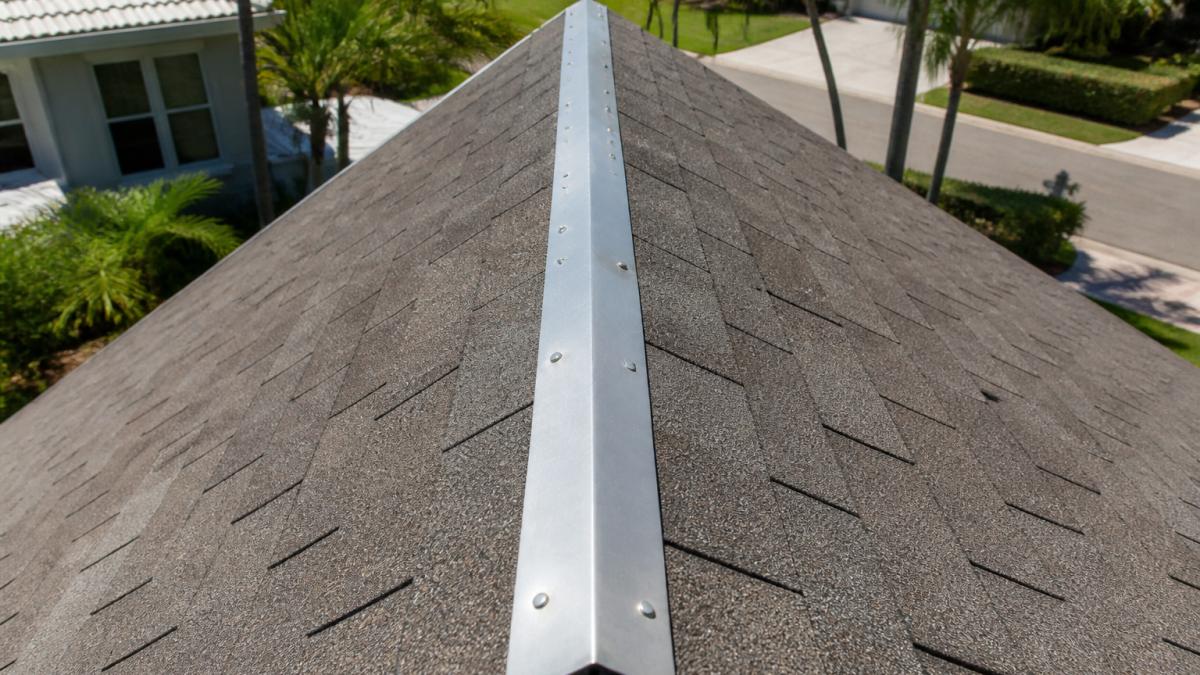
Step 1: Install Zinc or Copper Strips
Zinc and copper strips release ions when it rains, killing algae spores before they establish. They work continuously with no maintenance and remain effective for years.
Step 2: Trim Overhanging Tree Branches
Tree branches block sunlight and create moisture traps. Trimming branches back 6-10 feet from the roof edge allows more light and faster drying, which inhibits algae growth. Remove any branches that touch or hang directly over the roof to improve air circulation.
Step 3: Improve Attic Ventilation and Moisture Control
Attic ventilation is critical for preventing roof mold recurring after cleaning. Poor ventilation traps moisture that migrates to the roof surface. Check for proper ventilation baffles in the soffit and address any water leaks or improper flashing. Have a professional inspect your attic to identify moisture issues.
Step 4: Clean Gutters and Downspouts Regularly
Clogged gutters trap water and create ideal conditions for mold and algae. Clean gutters at least twice per year, spring and fall. Ensure downspouts direct water 4-6 feet away from your foundation and roof edge to prevent moisture problems.
The combination of zinc strips, trimmed branches, improved ventilation, and regular gutter cleaning creates an environment where mold cannot easily establish. These steps work together to prevent roof mold recurring after cleaning.
Professional Roof Cleaning Frequency for Lasting Results
Professional cleaning frequency depends on climate, shade, and tree coverage. Humid areas with significant shade may need annual cleaning; drier climates may need cleaning every 18-24 months. Prevention efforts like zinc strips and branch trimming reduce cleaning frequency. Most homeowners benefit from professional cleaning every 12-18 months.
Material-Specific Prevention for Asphalt Shingles
Asphalt shingles account for roughly 80% of residential roofs and are the most vulnerable to algae and mold growth. Material-specific prevention extends roof life by years.
Why Asphalt Shingles Are Prone to Mold and Algae
Asphalt shingles have a porous surface that sheds water but creates an ideal environment for algae and mold. Mineral granules contain nutrients algae thrives on; moisture persists in shaded areas; biofilm traps additional moisture; and algae causes granule loss and deterioration. A typical roof loses granules yearly under normal conditions, but with active mold growth that accelerates, reducing roof lifespan.
Prevention Strategy 1: Soft Wash Cleaning Without Granule Damage
Soft wash roof cleaning uses biodegradable solutions, eliminating the granule stripping and water intrusion risks of pressure washing. The method applies algaecide solution, allows it to dwell to kill spores at the root, then rinses gently to remove dead growth. Soft washing preserves manufacturer warranties that pressure washing voids.
Prevention Strategy 2: Zinc or Copper Strips for Continuous Protection
Zinc and copper strips release metal ions when it rains, killing algae spores before they establish. Zinc strips remain effective for 10-20 years; copper strips last 15-25 years. Most homeowners see a 70-90% reduction in algae growth within the first season. Strips require no maintenance and work continuously.
Prevention Strategy 3: Attic Ventilation and Moisture Control
Poor attic ventilation allows humid air to migrate upward, saturating shingles and accelerating deterioration. Proper ventilation requires intake and exhaust vents, ventilation baffles, and adequate vent area. Insufficient ventilation causes faster shingle deterioration, interior mold, higher energy costs, and ice dam risk. Have a professional inspect your attic after roof cleaning to identify missing baffles and moisture issues.
Prevention Strategy 4: Gutter Maintenance and Drainage
Clogged gutters trap water and feed mold and algae growth. Clean gutters in spring (after trees leaf out), summer (if heavy pollen), and fall (after leaves drop). Ensure downspouts direct water 4-6 feet away from the foundation and roof edge to prevent moisture problems.
Prevention Strategy 5: Tree Trimming and Sunlight Exposure
Shade is one of the biggest factors in mold and algae growth on asphalt shingles.
Trimming guidelines:
- Remove branches that hang directly over the roof or touch shingles
- Trim branches back at least 6-10 feet from the roof edge
- Remove lower branches on nearby trees to improve air circulation
- Thin dense tree canopies to allow more light to reach the roof
Sunlight naturally inhibits algae growth and accelerates drying after rain. More light means faster evaporation, which means less moisture for spores to germinate. In many cases, aggressive tree trimming alone reduces mold regrowth.
Long-Term Maintenance Schedule for Asphalt Shingles
To prevent roof mold recurring and extend roof lifespan, follow this schedule: Year 1, install zinc or copper strips, trim branches, inspect attic ventilation, clean gutters twice. Years 2-5, professional soft wash cleaning every 18-24 months, gutter cleaning twice yearly, annual roof inspection, tree trimming as needed. Years 6-10+, professional soft wash cleaning every 24 months, gutter cleaning twice yearly, annual roof inspection, replace strips if needed. Combined with soft wash roof cleaning, house wash, driveway cleaning, paver sealing, pool deck cleaning, and exterior home cleaning, a comprehensive maintenance approach protects your entire property.
Asphalt shingles are vulnerable to mold and algae, but material-specific prevention, soft washing, zinc strips, attic ventilation, gutter maintenance, and tree trimming, can extend roof life and prevent costly premature replacement. A long-term maintenance schedule ensures these protections work together effectively.
DIY vs. Professional Cleaning: Cost and Effectiveness
Should you clean your roof yourself or hire professionals? The answer depends on safety, effectiveness, long-term results, and true cost-benefit analysis. While DIY cleaning may seem cheaper upfront, the hidden costs and risks often make professional cleaning the better investment.
DIY Roof Cleaning: Real Costs and Risks
DIY roof cleaning requires equipment rental, solutions, and safety gear. Hidden costs include injury risk from falls, shingle damage that accelerates deterioration, water intrusion causing interior mold and rot, warranty voidance from pressure washing, and incomplete prevention that causes mold to return.
Professional Cleaning: True ROI
Professional soft wash roof cleaning includes labor, equipment, biodegradable solution, and prevention recommendations. ROI includes safety (licensed, insured professionals), shingle preservation, proper technique (eliminating water intrusion), warranty protection, longer intervals between cleanings, and tailored prevention guidance.
The Math: 10-Year Cost Comparison
Assuming a typical homeowner with a 2,000 sq. ft. roof in a humid climate:
DIY approach (annual cleaning):
- Year 1 cleaning: $250 (materials)
- Years 2-10 cleaning: $250/year × 9 = $2,250
- Premature roof replacement (year 13 instead of 18): $10,000
- Potential water damage remediation: $3,000-$5,000
- 10-year total: $15,500-$17,500 (plus injury risk and time investment)
Professional approach (every 18 months):
- Professional cleanings (6-7 over 10 years): $500 × 6.5 = $3,250
- Zinc strip installation (one-time): $200-$400
- Gutter cleaning (DIY or minimal professional help): $100-$200/year × 10 = $1,000-$2,000
- Roof replacement delayed to year 20: $0 cost in the 10-year window
- 10-year total: $4,450-$5,650 (plus safety, warranty protection, and peace of mind)
Net savings with professional approach: $10,000-$13,000 over 10 years.
This analysis assumes no injury and no water damage from DIY cleaning. If either occurs, professional cleaning becomes dramatically more cost-effective.
When to Consider Professional Services
Professional soft wash roof cleaning is the right choice if:
- Your roof pitch is steep (over 6:12) or your home is more than one story
- You have health conditions that limit physical activity or balance
- Your roof has delicate materials (clay tiles, wood shakes, or premium asphalt)
- You want to extend your roof’s lifespan and maintain warranty coverage
- You’re selling your home and want a clean, well-maintained appearance
- You want prevention recommendations tailored to your property
Professional cleaning also pairs well with other exterior services. Many homeowners benefit from combining soft wash roof cleaning with house wash, driveway cleaning, paver sealing, pool deck cleaning, and exterior home cleaning to maintain their entire property’s appearance and longevity in one coordinated effort.
While DIY roof cleaning saves money upfront, professional soft washing delivers better long-term ROI through safety, shingle preservation, warranty protection, and prevention guidance. Over 10 years, professional cleaning typically saves $10,000-$13,000 compared to repeated DIY attempts and premature roof replacement.
Frequently Asked Questions
How do I stop mold from coming back after professional roof cleaning?
Install zinc or copper strips along the roof ridge to create a natural fungicide that prevents moss spores from taking hold. Trim overhanging branches to reduce shade and improve airflow, improve attic ventilation to control humidity levels, and schedule professional soft wash cleanings every 12-18 months. These steps work together to prevent mold, algae, and moss from returning after cleaning.
Why does mold keep returning after I clean my roof?
Roof mold returns when moisture, shade, and organic debris persist. Algae spores and moss spores are airborne and constantly landing on your roof. Without preventative treatment like zinc strips, improved ventilation, and regular debris removal, conditions remain ideal for fungal growth. Professional soft wash roof cleaning removes existing growth, but without addressing root causes like poor drainage and excessive shade, biofilm regrows within months.
How often should you have your roof professionally cleaned to prevent mold?
Professional roof cleaning frequency depends on your climate, roof pitch, tree coverage, and attic ventilation. Most homeowners benefit from professional cleaning every 12-18 months. Properties with heavy shade, high humidity, or poor ventilation may need cleaning annually. After cleaning, implement preventative measures like zinc strips and branch trimming to extend the time between professional cleanings and protect your roof’s lifespan.
Does trimming tree branches help prevent roof mold?
Yes, trimming overhanging branches significantly reduces roof mold by increasing sunlight exposure and air circulation. Shade and moisture create ideal conditions for algae growth and moss spores to thrive. Removing branches 6-10 feet from the roof line improves ventilation, reduces debris accumulation in gutters, and helps shingles dry faster after rain. This single step often reduces mold recurrence when combined with other preventative maintenance.