Table of Contents
- Is Paver Sealing Worth the Cost? The Real Value Proposition
- Paver Sealing Pros and Cons: What You Actually Get
- Cost to Seal Pavers: Breaking Down the Investment
- How Long Does Paver Sealer Last and What Maintenance Costs
- DIY Paver Sealing vs Professional Application: Which Saves Money
- When Sealing Pavers Delivers Real ROI
- The Case Against Sealing: When It Doesn’t Make Sense
- Conclusion
- Frequently Asked Questions
Last Updated: October 7, 2026
Is Paver Sealing Worth the Cost? The Real Value Proposition
Whether is paver sealing worth the cost depends on your pavers, your climate, and how long you plan to own your property. Whether is paver sealing worth the cost depends on your pavers, your climate, and how long you plan to own your property. Sealing protects against moisture, UV damage, and stains, but comes with upfront expense and ongoing maintenance.
Paver Sealing Pros and Cons: What You Actually Get
The Genuine Benefits
Sealed pavers resist moisture penetration, preventing the freeze-thaw damage that cracks and displaces unsealed pavers when trapped water expands.
They also shed oil, dirt, and organic growth far more easily, so a quick rinse replaces aggressive pressure washing. UV protection extends color life: unsealed pavers fade noticeably over 2-3 years, while sealed pavers hold color 3-5 years. Sealing also binds polymeric sand in the joints, slowing weed growth.
The Real Drawbacks
Sealed pavers can become slippery when wet, which matters if you have kids, elderly family members, or anyone with mobility concerns. Anti-slip additives exist but cost more.
Resealing is mandatory: most sealers last 2-3 years before UV, foot traffic, and weather break them down. Applied incorrectly or over poor drainage, sealer can trap moisture and accelerate deterioration, which is why professional application matters. Sealing also doesn’t fix existing damage, it protects pavers in good condition.
Cost to Seal Pavers: Breaking Down the Investment
The total cost depends on four variables: square footage, sealer type, surface condition, and whether you hire professionals or DIY. The more useful exercise is a total-cost-of-ownership model.
What actually drives the number
- Square footage. Sealing is priced per square foot, so a two-car driveway (roughly 400-600 sq ft) costs far less than a full patio-and-pool-deck package (often 800-1,500+ sq ft).
- Sealer type. Sealer type. Different types of sealers offer varying levels of protection and durability.
- Surface condition. Joint sand replenishment, efflorescence removal, or stripping an old failing sealer adds labor before any sealer goes down.
- Application method. DIY saves labor but shifts risk onto you. Professional work bundles surface prep, correct coverage rate, and a workmanship warranty.
Coverage math you can actually use
Coverage varies by product. Rough, tumbled, or porous pavers consume more.
Building a total-cost-of-ownership comparison
Don’t compare the sealing quote to zero. Compare it to the realistic alternative over the same window:
- Year 0: Initial sealing cost (surface prep + sealer + labor).
- Years 1-2: Routine cleaning to preserve the sealer (soft wash or gentle pressure washing).
- Year 2-3: Resealing cost, lower than the initial seal because prep is simpler.
- Repeat the reseal-and-clean cycle for the life of the pavers.
Now run the same timeline for unsealed pavers:
- Year 0: No sealing cost.
- Years 1-2: More frequent, more aggressive cleaning to fight stains and organic growth.
- Years 3-5: In freeze-thaw climates, spot repairs for cracked, heaved, or shifted pavers, plus joint sand replenishment.
- Years 5-10: Possible section replacement if freeze-thaw damage compounds.
The honest comparison isn’t “sealing cost vs. nothing.” It’s “sealing plus resealing plus routine cleaning” vs. “more frequent deep cleaning plus spot repairs plus possible section replacement.”
Where the money actually goes
For most homeowners, the largest line item isn’t the sealer, it’s surface preparation and labor. Skipping prep is the most common reason a DIY seal fails early, and fixing a failed seal costs more than the original professional job would have.
If you’d rather not run the math, a professional assessment of your pavers, exposure, and traffic will give you a real number. Driveway cleaning and pool deck cleaning before sealing also ensure the sealer bonds to a clean surface.
How Long Does Paver Sealer Last and What Maintenance Costs
Most articles give one number: 2-3 years. That’s a reasonable middle estimate, but lifespan swings widely based on sealer chemistry, climate, traffic, and exposure.
Realistic lifespan ranges by sealer type
- Film-forming acrylic sealers. Commonly cited at 1-3 years. They sit on top of the paver, so UV, foot traffic, and freeze-thaw break the film down fastest; in harsh sun or heavy traffic, expect the low end.
- Penetrating siloxane/silane sealers. Often quoted at 3-5 years, sometimes longer. Because they soak into the paver rather than forming a surface film, they don’t peel or haze like acrylics, but they don’t deliver the same wet-look gloss.
- Polyurethane and polyaspartic sealers. Frequently marketed at 5-10 years. They cost more upfront and are reserved for high-traffic commercial or premium residential surfaces.
What shortens or extends that window
- Climate. Freeze-thaw cycles are the single biggest lifespan killer; a sealer in a northern climate degrades faster than the same product on a mild-climate patio.
- Sun exposure. Full-sun south- and west-facing surfaces break down faster than shaded ones.
- Traffic. A driveway with daily vehicle traffic wears faster than an occasional-use patio.
- Surface prep quality. A sealer applied over dirt, algae, or loose joint sand fails early regardless of product quality.
- Cleaning method. Gentle soft washing preserves the sealer; aggressive high-pressure washing strips it.
Manufacturer guidance vs. real-world performance
Manufacturers publish optimistic lifespan claims based on ideal conditions. Real-world performance usually lands at the lower end of the range, especially in freeze-thaw climates or on high-traffic driveways.
What maintenance actually involves
Between sealings, maintenance is straightforward but not optional:
- Routine cleaning. Soft wash or gentle pressure washing removes dirt, pollen, and organic growth before it stains, the highest-ROI maintenance step because it protects the sealer and the pavers underneath.
- Joint sand checks. Polymeric sand can wash out or degrade; replenishing it before resealing keeps joints locked and slows weed growth.
- Spot treatment. Address oil drips, rust stains, and organic staining quickly, before they set into the paver.
- Resealing. When water stops beading on the surface, the sealer is telling you it’s time.
A simple test: pour a small amount of water on the pavers. If it beads and rolls off, the sealer is still working. If it soaks in immediately, the protective layer has degraded and resealing is due.
The maintenance cost picture
Resealing costs less than the initial sealing because surface prep is simpler: you’re refreshing the protective layer, not stripping and rebuilding it. Between reseals, budget for annual or semi-annual professional cleaning to maximize sealer lifespan.
Driveway cleaning and pool deck cleaning most directly extend sealer life, since those surfaces see the most traffic, sun, and staining. Soft wash roof cleanings and house wash and exterior home cleaning round out a full exterior maintenance plan that protects the same investment.
DIY Paver Sealing vs Professional Application: Which Saves Money
DIY sealing saves on labor but introduces risk. Uneven application causes blotchy coverage, poor prep prevents adhesion, and too much sealer can pool and trap moisture. These mistakes are expensive to fix.
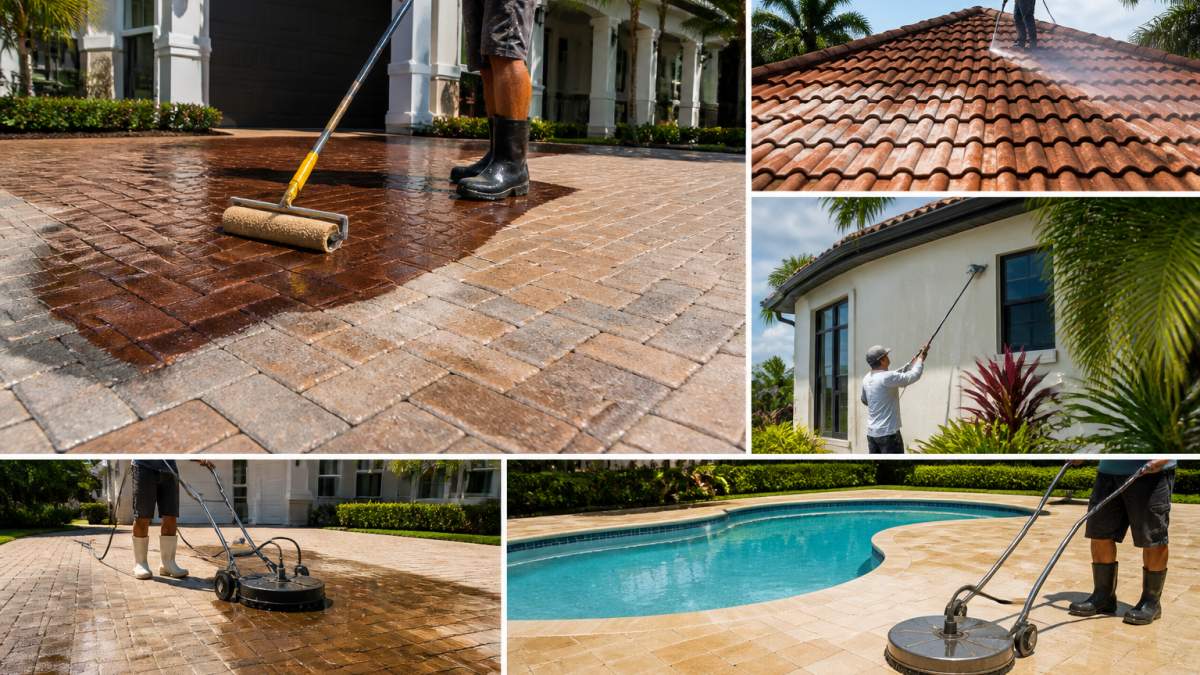
Professional application includes critical surface preparation. Dirt, algae, and loose sand reduce adhesion, so professionals pressure wash or soft wash the pavers first, allow proper drying time, and apply sealer at the correct thickness. It costs more upfront but lasts the full 2-3 years.
The real comparison isn’t DIY versus professional sealing once, it’s DIY with potential failure versus professional sealing with a warranty. If your DIY application fails and you hire professionals to fix it, you’ve spent more than professional sealing would have cost initially.
For most homeowners, professional sealing is the better financial decision because it eliminates the risk of costly mistakes. Freedom Wash Club handles the entire process, surface preparation, sealing application, and follow-up maintenance.
If you attempt DIY sealing and the sealer traps moisture, water damage can accelerate paver deterioration. Fixing water damage can be more expensive than professional sealing would have been.
When Sealing Pavers Delivers Real ROI
Sealing makes financial sense when you own your pavers long enough to recoup the cost through reduced replacement and repair expenses, typically at least 5-7 years.
In a freeze-thaw climate, sealing’s ROI can be clear: replacing a section of damaged pavers can exceed sealing and resealing costs over the same period.
Sealing also delivers ROI if stain resistance matters. If your driveway sees regular oil drips, food spills, or heavy foot traffic, sealed pavers stay cleaner and require less aggressive, less expensive cleaning, and those savings compound.
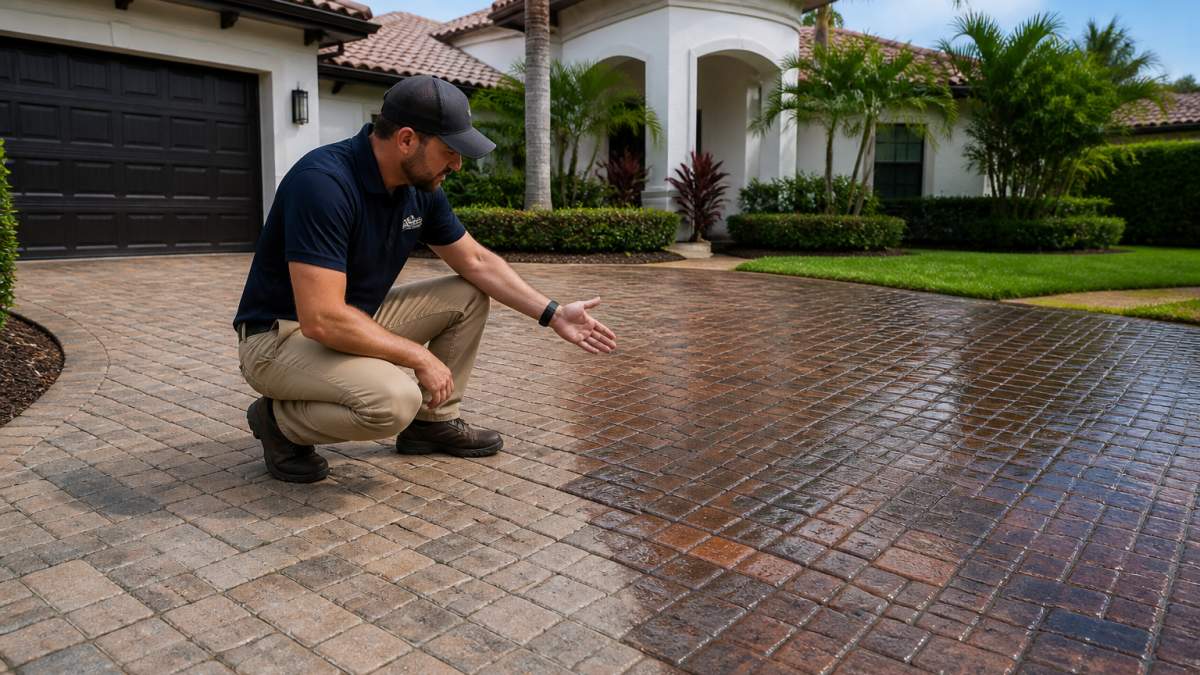
For homeowners planning to stay 7+ years, sealing typically pays for itself through reduced maintenance and delayed replacement costs.
The Case Against Sealing: When It Doesn’t Make Sense
If you’re renting or planning to move within 3 years, sealing probably isn’t worth the upfront cost.
If your pavers are already damaged, cracked, sunken, or severely stained, sealing won’t fix those problems; you’d need to replace the damaged sections first, then seal.
If you have young children or elderly family members and slippery surfaces are a safety concern, the slip risk may outweigh the protection benefits, since unsealed pavers provide better traction when wet.
If your budget is tight and you can’t afford resealing in 2-3 years, don’t seal now. Sealing without committing to maintenance is worse than no sealing at all, because a degraded sealer traps moisture and accelerates damage.
In a dry climate where freeze-thaw cycles are rare and stains aren’t a major issue, sealing is less critical.
Soft wash roof cleanings, house wash and exterior home cleaning, driveway cleaning, and pool deck cleaning maintain your pavers without sealing them.
Sealing is an investment in long-term protection and appearance, not an emergency fix. If you’re not planning to stay long or can’t commit to resealing, skip it.
Conclusion
Is paver sealing worth the cost? It depends on your timeline, climate, and priorities. For homeowners staying 7+ years in freeze-thaw climates, sealing delivers measurable ROI through reduced replacement costs and easier maintenance.
The honest calculation is total cost of ownership: sealing and resealing versus replacing damaged pavers or managing stains on unsealed surfaces. In most scenarios, professional sealing comes out ahead, but only if you follow through with resealing every 2-3 years.
If you decide sealing makes sense for your property, start with professional surface preparation. We handle the entire process with licensed, insured professionals who guarantee results. Learn more about proper paver maintenance from industry standards to understand how surface preparation affects sealer performance.
Get a free quote from Freedom Wash Club today, we’ll assess your specific pavers, your climate, and your maintenance plan to help you decide whether sealing is the right choice for your property.
Protecting your pavers starts with the right decision. Whether you seal or maintain with regular professional cleaning, Freedom Wash Club has the expertise to keep your driveway, patio, and pool deck in top condition.
Frequently Asked Questions
Is paver sealing worth the cost for a typical residential driveway?
The answer depends on your climate, paver material, and how long you plan to stay in your home. In humid environments with heavy UV exposure, sealing protects against moisture penetration, color fading, and weed growth, often justifying the upfront cost through reduced maintenance and delayed replacement. If you’re selling within 5 years or live in a dry climate with minimal rain, the ROI is weaker. Calculate your total ownership cost: sealing expense plus resealing every 2-3 years versus the cost of replacing stained, cracked, or deteriorated pavers down the road.
What are the main pros and cons of paver sealing?
Pros include protection from water damage, UV fading, and oil stains; easier cleaning; reduced weed growth between joints; and enhanced curb appeal with a wet-look or natural finish. Cons include upfront and ongoing resealing costs, potential slipperiness on certain sealers, the need for proper surface preparation, and variable durability depending on sealer type and climate.
How often do pavers need to be resealed?
Most paver sealers last 2-3 years under normal conditions, though durability varies by sealer type, foot traffic, weather exposure, and maintenance. High-traffic driveways or areas with intense UV exposure may need resealing every 18-24 months. Regular cleaning extends sealer life by removing debris and preventing buildup that accelerates breakdown. Professional resealing is often more cost-effective than DIY reapplication because professionals can assess sealer condition and prepare the surface properly.
Can you seal pavers yourself, or should you hire a professional?
DIY sealing is possible if you’re comfortable with surface preparation, cleaning, drying, and masking off surrounding areas. However, improper application causes streaking, uneven coverage, slippery spots, or premature failure. Professionals have equipment for deep cleaning, knowledge of sealer chemistry and compatibility with your paver material, and experience avoiding common mistakes. For driveways and high-visibility patios, professional application typically delivers better results and longer-lasting protection, making it worth the investment.