Table of Contents
- Why Roof Mold Keeps Coming Back
- Step 1: Start With a Soft Wash Roof Cleaning
- Step 2: How to Remove Black Streaks From Roof Shingles
- Step 3: Install Zinc or Copper Strips
- Step 4: Trim Trees and Improve Sunlight Exposure
- Step 5: Follow a Roof Maintenance Schedule for Mold Prevention
- When to Call a Professional vs. DIY
- Conclusion
- Frequently Asked Questions
Last Updated: September 8, 2026
Roof mold regrowth is a frustrating cycle: you pay to have the black streaks removed, and within a season, the algae is back. Most cleaning methods only treat the surface, leaving spores behind to recolonize. In this guide from Freedom Wash Club, we break down a step-by-step prevention strategy that addresses why mold returns and how to stop it for good.
The core principle is that roof mold regrowth is prevented through proper cleaning, chemical inhibition, and environmental changes. You cannot just wash the shingles; you must alter the conditions that allow algae and moss to thrive.
Why Roof Mold Keeps Coming Back
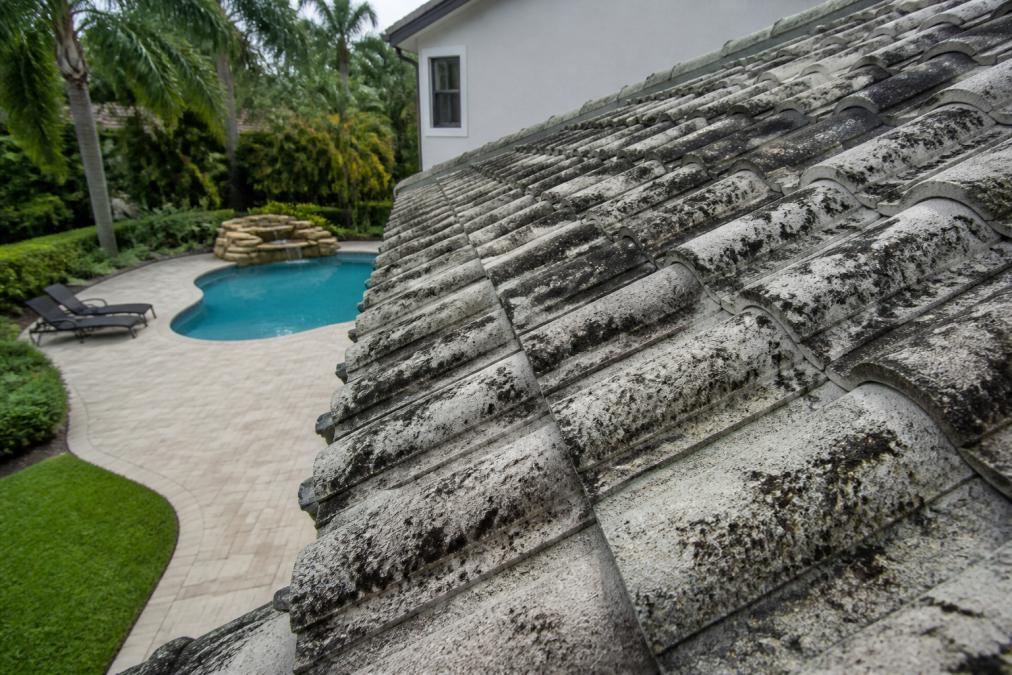
Most homeowners mistake cleaning for prevention. A standard pressure wash might strip visible black streaks, but it often forces water under the shingles and leaves behind the microscopic algae spores and organic matter that fuel regrowth. The underlying issue is moisture retention combined with a food source, typically debris and broken-down shingle granules.
Algae spores are carried by wind and birds, and they settle on your roof. When your roof retains moisture due to shade, poor drainage, or clogged gutters, those spores germinate and feed on the limestone filler in the asphalt shingles. To truly address roof mold regrowth, you must break this cycle by removing the food source and creating an environment inhospitable to fungal growth.
Step 1: Start With a Soft Wash Roof Cleaning
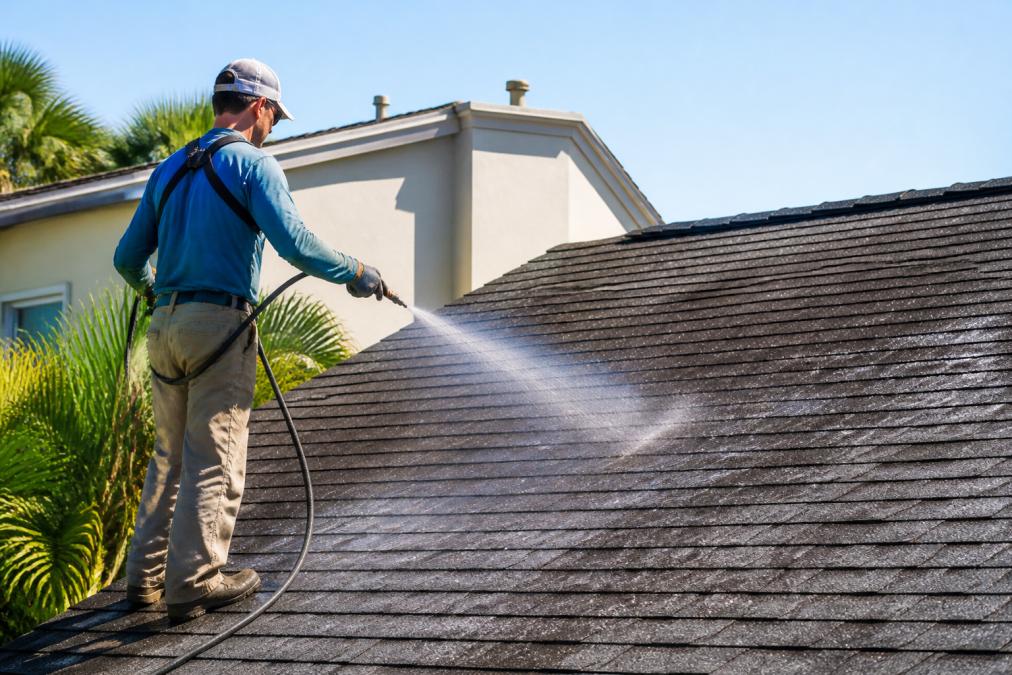
The first and most critical step is to kill the mold at its source using a soft wash system, not high-pressure washing. A soft wash uses a low-pressure spray combined with a specialized biocide solution to kill algae, mildew, and lichen down to the root, without damaging the shingles. This preserves your roof’s structural integrity and prevents granular loss.
According to guidance from the Asphalt Roofing Manufacturers Association, using high pressure on asphalt shingles can void warranties and accelerate wear. A soft wash, on the other hand, cleans the surface gently while the cleaning solution does the heavy lifting. The benefits of a soft wash roof cleaning extend beyond just appearance; it removes the organic growth that holds moisture against the shingles, which is a leading cause of premature aging and rot.
Never use a pressure washer on asphalt shingles. The high psi forces water up under the shingles and blasts away the protective granules, which drastically shortens roof longevity and invites leaks. A soft wash is the only safe method for mold removal.
Step 2: How to Remove Black Streaks From Roof Shingles
If you already have visible black streaks, you need to know how to remove black streaks from roof shingles effectively. The goal is not just to bleach the surface but to kill the algae spores living within the shingle mat. However, the most common advice, using a heavy chlorine bleach solution, comes with significant downsides.
The Problem with Chlorine Bleach
Standard household bleach (sodium hypochlorite) is effective at killing algae, but it is also highly corrosive. When it runs off your roof, it can kill shrubs, stain concrete driveways, and contaminate soil. In many municipalities, washing bleach into storm drains violates clean water regulations. Furthermore, bleach does not penetrate the shingle mat deeply; it often just lightens the surface, leaving the root structure intact for a faster return.
The Safer, Non-Toxic Alternative: Sodium Percarbonate
A more responsible approach uses a sodium percarbonate-based cleaner (often sold under names like Oxygen Bleach or Eco-Friendly Roof Wash). This compound breaks down into hydrogen peroxide and soda ash when mixed with water. It kills algae by oxidizing it at the cellular level but is safe for landscaping, gutters, and pets. Most practitioners find a 1:4 ratio of sodium percarbonate to water applied with a low-pressure sprayer works effectively.
Before applying any cleaning solution, wet down your shrubs and flower beds with plain water. This pre-soak creates a barrier that dilutes any runoff, protecting your plants from chemical shock.
The Correct Application Process
The process for removing black streaks safely involves more than just spraying and rinsing. Here is the step-by-step method used by professionals:
- Protect the ground: Cover sensitive plants with a tarp or plastic sheeting, and move any outdoor furniture or vehicles away from the downspouts.
- Apply the solution: Using a low-pressure pump sprayer (not a pressure washer), apply the sodium percarbonate mixture to the affected areas. Start from the top of the roof and work your way down to avoid streaking.
- Allow dwell time: Let the solution sit for 15-20 minutes. This dwell time is critical; it allows the oxygen bubbles to penetrate the algae’s root structure. Do not let the solution dry on the shingles, as this can leave a white residue.
- Rinse gently: Rinse with a garden hose or a very low-pressure spray. The dead algae should wash away easily. If you see stubborn spots, reapply the solution to those specific areas rather than increasing pressure.
Why Professional Soft Wash Roof Cleanings Are Safer
While DIY oxygen bleach kits are available, the physical risk of working on a roof is substantial. The Centers for Disease Control and Prevention (CDC) lists falls from ladders as a leading cause of home injuries (the CDC). A professional soft wash roof cleaning service uses commercial-grade, stabilized bleach alternatives that are more effective than consumer products, and they have the safety harnesses, anchor points, and insurance to work on steep pitches safely. They also handle runoff containment.
The Connection to Your Home’s Exterior
When you clean black streaks off your roof, the runoff inevitably flows down your siding and onto your hardscapes. This is why a comprehensive approach often includes a house wash and exterior home cleaning to remove the residual organic matter that drips down, preventing new stains on your walls. Similarly, if your driveway or pool deck has developed dark streaks from years of roof runoff, a dedicated driveway cleaning or pool deck cleaning service can restore those surfaces. Addressing the entire exterior water path prevents the mold from simply relocating from your roof to your patio.
Step 3: Install Zinc or Copper Strips
Once the roof is clean, you need to prevent the spores from returning. Installing zinc or copper strips near the roof peak is a proven, long-term solution. When rain hits these metals, it creates an ion-rich runoff that acts as a chemical inhibitor, washing down the roof and preventing algae from taking hold. This is the same principle behind copper flashing.
These strips are a low-cost, preventative measure that directly targets the root cause of roof mold regrowth. For best results, install a continuous strip along the ridge line, leaving a small gap of about an inch from the ridge cap. Over the next several rainfalls, the metal ions will create a protective barrier that stops algae spores from germinating.
Step 4: Trim Trees and Improve Sunlight Exposure
Algae and moss are shade-loving organisms. A roof constantly shaded by overhanging branches retains moisture for longer periods, creating the perfect breeding ground for mold. Trimming back vegetation to allow direct sunlight to hit the roof surface is one of the most effective environmental changes you can make. Increased sunlight dries out the shingles quickly.
This step also prevents physical damage. Overhanging branches can scrape granules off the shingles during wind storms, and falling leaves create debris accumulation in the valleys and gutters. This organic matter holds water and provides nutrients for fungal growth. By keeping trees trimmed and gutters clear, you improve roof drainage and remove the food source mold needs.
Step 5: Follow a Roof Maintenance Schedule for Mold Prevention
Prevention is not a one-time event; it requires a consistent roof maintenance schedule for mold prevention. However, a generic ‘check your roof twice a year’ list is not enough. To truly stop roof mold regrowth, your schedule must be tailored to your specific climate.
Climate-Specific Prevention Strategies
Most guides ignore the fact that mold pressure varies dramatically across the United States. Your maintenance schedule should be adjusted based on your regional weather patterns.
- Humid Southeast & Gulf Coast: If you live in a region with high humidity and frequent afternoon thunderstorms, you are fighting a constant battle. Here, you should inspect your roof monthly during the warm season (May through September). Algae can colonize a clean roof in as little as six weeks under these conditions. Consider a bi-annual application of a preventative oxidizer, not just a cleaning.
- Pacific Northwest & Northeast: These regions experience heavy rainfall and significant leaf drop in the fall. Your primary enemy is moss and lichen, which thrive in consistently damp, shaded conditions. Your schedule must prioritize gutter cleaning in late October and again in early spring to prevent ice dams and water backup that keeps shingles wet.
- Arid Southwest & Mountain West: While mold is less of an issue, the intense UV radiation degrades shingle granules, creating a dusty surface that traps moisture during rare rain events. Here, the focus is on rinsing the roof with plain water twice a year to remove that granular dust and checking for cracked or brittle shingles that can harbor spores.
The Long-Term Cost-Benefit Analysis
A proactive maintenance schedule is not just about aesthetics; it is a financial decision. The cost of a professional soft wash roof cleaning and zinc strip installation is a fraction of the cost of a full roof replacement. Asphalt shingle roofs typically last 20-25 years, but algae and moss growth can cut that lifespan down to 12-15 years by holding moisture against the shingle mat.
Consider this comparison:
- Preventative Action: A bi-annual inspection and spot treatment, combined with a full soft wash every 3-5 years, costs a few hundred dollars annually.
- Reactive Action: Ignoring the problem until moss has lifted the shingles or algae has caused rot in the decking leads to a premature roof replacement, which is a five-figure expense.
The most cost-effective strategy is to treat your roof like you treat your car: regular, low-cost maintenance prevents catastrophic, high-cost failure. A small investment in a maintenance schedule is the cheapest insurance you can buy against premature roof replacement.
A Practical, Climate-Aware Schedule
Here is a template that you can adapt to your local conditions:
- Spring (After last frost): Inspect for winter damage and debris. Trim any new overhanging branches. In humid climates, apply a preventative algaecide.
- Early Summer: Check for early signs of algae or moss, especially on north-facing slopes. Clear any debris from valleys. In the Southwest, rinse off accumulated dust.
- Fall (Before heavy rains): Clean gutters thoroughly and remove all fallen leaves from the roof valleys. This is critical in the Northeast and Pacific Northwest to prevent moisture retention.
- Winter: Monitor for ice dams in cold climates. In warm climates, check for wind damage after storms. Ensure proper roof ventilation to prevent condensation in the attic.
Integrating Exterior Maintenance
Your roof does not exist in a vacuum. The debris that accumulates in your gutters often comes from overhanging trees, and the runoff from your roof stains your hardscapes. A comprehensive maintenance schedule should include periodic paver sealing to protect your patio from water damage and staining, as well as house wash and exterior home cleaning to remove the dirt and organic matter that splashes up from the ground. Similarly, driveway cleaning and pool deck cleaning should be scheduled to remove oil stains, algae, and mildew that thrive in the same damp conditions as roof mold. By treating your entire exterior as a single system, you reduce the overall moisture and organic load around your home, making it harder for mold to find a foothold anywhere, including your roof.
When to Call a Professional vs. DIY
While trimming trees and installing zinc strips are manageable DIY projects, cleaning the roof itself carries significant risks. Walking on a steep roof pitch can lead to serious falls, and using the wrong chemicals or pressure can cause costly damage. The Consumer Product Safety Commission regularly reports on ladder-related injuries, which are a leading hazard for homeowners attempting their own roof work.
For the cleaning and treatment stages, a professional assessment is often the wiser choice. A company like Freedom Wash Club brings over a decade of experience, proper safety equipment, and commercial-grade soft wash systems that are far more effective than consumer products. They also offer services that complement roof care, such as house wash and exterior home cleaning, driveway cleaning, and pool deck cleaning, ensuring that runoff from your roof doesn’t just stain the surfaces below. While DIY might seem cheaper upfront, the long-term cost-benefit analysis favors professionals who can guarantee the work and prevent accidental damage.
Conclusion
Preventing roof mold regrowth is about more than just a single cleaning. It is a strategy that combines safe, thorough washing with environmental controls like metal strips and sunlight, all supported by a regular maintenance routine. By following these steps, you protect your roof’s structural integrity and maintain your home’s curb appeal.
At Freedom Wash Club, we understand that keeping up with exterior maintenance, especially for seasonal homes or under strict HOA guidelines, can be a challenge. Our licensed and insured team offers easy scheduling over the phone or by text, so you can arrange for a soft wash roof cleaning or paver sealing without an in-person estimate. Get started with Freedom Wash Club and stop mold from coming back for good.
Frequently Asked Questions
Why does mold keep growing back on my roof shingles?
Mold regrows when the cleaning method fails to kill the roots, or when the conditions that allowed it to grow in the first place remain. Pressure washing often only removes surface stains, leaving behind algae spores and organic growth that quickly return. To stop roof mold regrowth, you need a soft wash treatment with a biocide that kills the organisms at the root, plus preventive measures like zinc strips and trimming overhanging branches.
Does trimming tree branches help prevent roof mold?
Yes. Overhanging branches create shade and trap moisture on your roof, which is exactly what mold and algae need to thrive. They also drop leaves and debris that accumulate in valleys and gutters, adding organic food for growth. Trimming branches back allows more sunlight exposure to dry the roof surface quickly after rain, which is a critical part of any roof maintenance schedule for mold prevention.
How often should I have my roof professionally cleaned to prevent regrowth?
Regular professional soft wash roof cleaning can help prevent roof mold regrowth. A professional service can also apply a protective treatment that slows reinfestation. Sticking to a consistent maintenance schedule protects your shingle granules and extends roof longevity, saving you from costly premature replacement.
What can you put on a roof to stop mold from growing?
Zinc or copper strips installed along the roof ridge are the most effective long-term solution. When rain hits the metal, it releases microscopic ions that wash down the roof and act as a biocide, killing algae spores and preventing fungal growth. These strips cost far less than frequent cleanings and provide continuous protection for decades, making them a smart addition to any roof maintenance schedule for mold prevention.