Table of Contents
- Why Florida’s Climate Attacks Your Home’s Exterior Value
- The Seasonal Home Exterior Maintenance Checklist for Snowbirds
- Soft Wash Roof Cleaning Importance for Long-Term Value
- Paver Sealing for Property Value: Driveways and Pool Decks
- House Washes and Exterior Cleaning: More Than Curb Appeal
- Smart Monitoring and Security for Vacant Properties
- Your Exterior Home Value Action Plan
- Frequently Asked Questions
Last Updated: September 5, 2026
Florida’s climate is relentless. The combination of intense sun, humidity, and afternoon storms creates the perfect environment for mold, algae, and salt air to slowly degrade the surfaces that define your property’s worth. For snowbirds who split time between states, maintaining exterior home value in Florida requires a proactive strategy rather than a reactive one, since problems compound quickly when a house sits vacant for months. This guide from Freedom Wash Club, a South Florida exterior cleaning company with over a decade of experience, breaks down exactly what to protect, when to act, and how to avoid the costly mistakes that quietly eat away at your investment.
The core tension is simple: the same climate that makes Florida living desirable is the one actively attacking your roof, driveway, and pool deck. Most owners discover this only after returning to find green streaks on the shingles or a slippery black biofilm on the pavers. That discovery is always more expensive than prevention would have been. Below, we’ll walk through a seasonal exterior home maintenance checklist, explain why soft wash roof cleaning matters more than most guides admit, and show you how professional cleaning services fit into a snowbird’s schedule.
Why Florida’s Climate Attacks Your Home’s Exterior Value
Florida’s subtropical environment does not pause when you leave. Heat and moisture accelerate biological growth on every exterior surface, and the damage is not merely cosmetic. Algae and mold spores settle into porous materials like roof shingles and concrete pavers, feeding on the organic matter that accumulates in shaded, damp areas. Left untreated, these growths can shorten the lifespan of your roof and create slippery, unsafe walking surfaces.
The financial stakes are significant. Curb appeal directly influences resale value, and a home with visible staining or biological growth signals neglect to potential buyers. According to the National Association of Realtors’ report on home selling trends, exterior condition plays a major role in a buyer’s first impression and willingness to pay asking price. For snowbirds, the challenge is that these threats develop invisibly over months of absence.
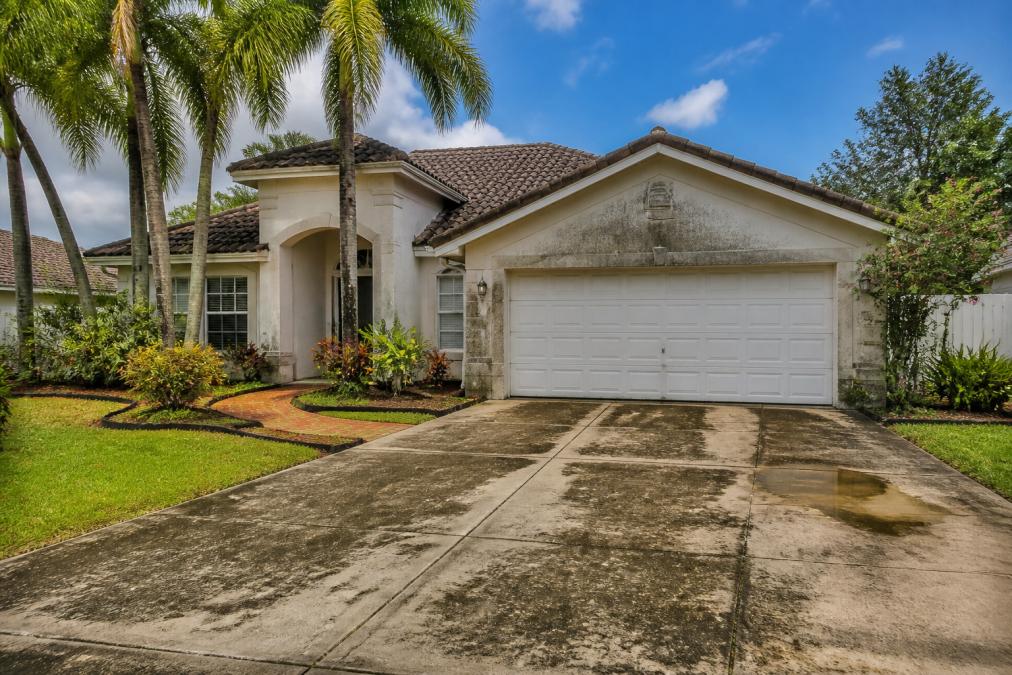
The most damaging misconception is that rain will wash these surfaces clean. Rain actually accelerates the problem by keeping surfaces damp and depositing additional organic material. Preventative maintenance is the only reliable defense, and it requires scheduling work around your presence in the state rather than reacting to visible damage when you arrive.
The Seasonal Home Exterior Maintenance Checklist for Snowbirds
A seasonal home exterior maintenance checklist keeps your property protected year-round without requiring you to be physically present. The rhythm of the snowbird year creates three distinct phases: departure, absence, and return. Each phase demands different actions, and the checklist below is built around those natural transitions.
Before You Leave: The Departure Checklist
Your departure routine should include more than locking up and setting the thermostat. Start with a thorough inspection of the roof and gutters. Clogged gutters and downspouts cause water to back up under the roofline, which leads to rot and interior leaks that you will not discover until months later. Clear all debris and confirm downspouts direct water well away from the foundation.
Next, address the exterior surfaces directly. A professional house wash removes the organic material that mold and algae feed on, giving your home a clean slate for the months ahead. This is also the time to schedule soft wash roof cleaning if you notice any dark streaks or moss growth. Treating these issues before you leave prevents them from becoming entrenched during your absence. Finally, trim landscaping back from the house so branches do not rub against siding or drop leaves onto the roof during storms.
While You’re Away: Remote Monitoring Tasks
Modern technology makes remote monitoring practical for vacant homes. Install a humidity monitor in key areas to alert you if moisture levels climb to dangerous thresholds, and consider a dehumidifier to keep indoor humidity below the point where mold thrives. Many smart home systems now include water leak detectors that send push notifications to your phone the moment a pipe fails.
Exterior monitoring matters just as much. Security cameras with motion detection let you check on the property remotely, but they also help you spot developing exterior issues like a downspout that has detached or a tree limb that has fallen. For extended absences, arrange for a trusted neighbor or property management service to perform a routine inspection every few weeks. Ask them to walk the perimeter and photograph the roof, driveway, and pool deck so you can spot problems early.
When You Return: The Arrival Checklist
The first walk-around after your return sets the tone for the season. Inspect the roof for missing shingles or storm damage, check that gutters are still secure, and look for any signs of pest infestation around doors and windows. Walk the driveway and pool deck carefully, noting any new staining or slippery areas that indicate biological growth.
This is the moment to schedule the deeper cleaning work. Paver sealing for property value should happen early in your visit so the sealant has time to cure before heavy use. A driveway cleaning and pool deck cleaning removes the buildup that accumulated while you were away. If the roof shows any streaking, book a soft wash promptly to prevent the growth from spreading further into the season.
Soft Wash Roof Cleaning Importance for Long-Term Value
Soft wash roof cleaning is the single most protective service for your home’s largest exterior surface, and it differs fundamentally from pressure washing. A soft wash uses low pressure combined with specialized cleaning solutions to kill mold, algae, and moss at the root, rather than blasting them off the surface. This matters because high-pressure washing on asphalt shingles can strip away the protective granules that give the roof its lifespan, accelerating wear and voiding manufacturer warranties.
The visible black streaks on many Florida roofs are actually a type of algae called gloeocapsa magma, which feeds on the limestone filler in the shingles (asphaltroofing.org). As it grows, it degrades the shingle material itself. Regular soft wash roof cleaning removes this growth and the organic material it needs to survive, extending the life of the roof and preventing the premature replacement that costs thousands of dollars.
Never allow a contractor to pressure wash your asphalt shingle roof. The high pressure dislodges protective granules and can void your roofing warranty. Always request soft washing for roof surfaces.
For snowbirds, timing the soft wash is critical. Schedule it shortly after your arrival so the roof is clean and protected for the entire season. If you leave with any visible growth, it will spread during the hottest, most humid months of the year. A professional soft wash also addresses the north-facing roof slopes and shaded areas where algae thrive, which a DIY approach typically misses.
Paver Sealing for Property Value: Driveways and Pool Decks
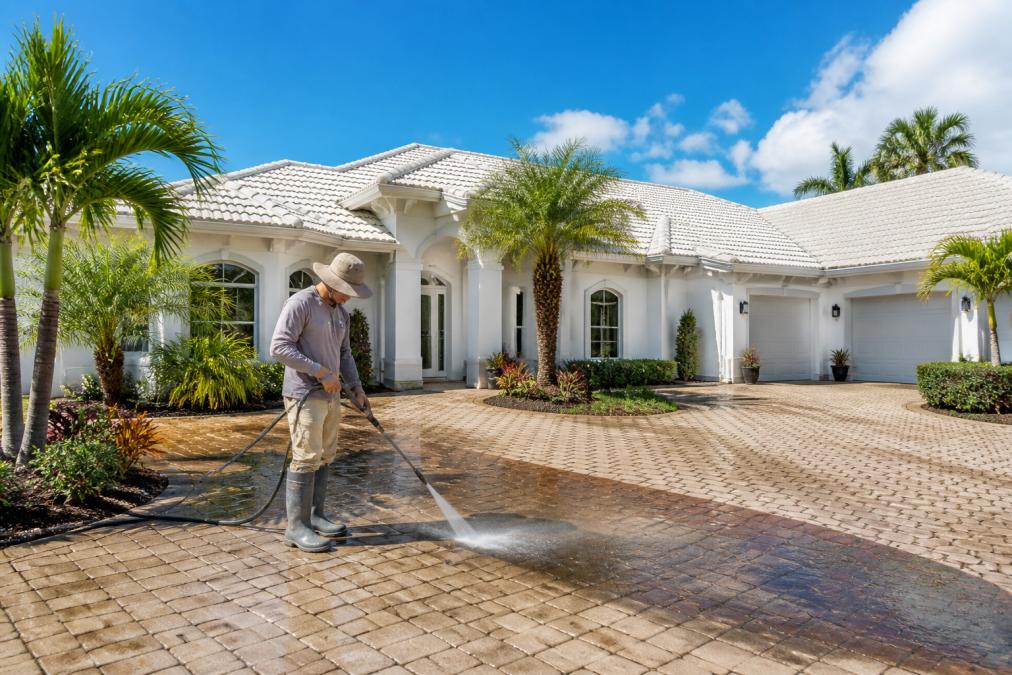
Paver sealing is the difference between a driveway that looks new for a decade and one that looks neglected within two years. Concrete pavers are porous, which means they absorb oil, dirt, and organic material. In Florida’s climate, they also become a breeding ground for algae and mold, particularly in shaded areas and around pool decks where water is constantly present. The result is a slippery surface that is both a safety hazard and a visual liability.
Sealing serves two purposes: it protects the pavers from staining and it locks sand into the joints between them. Unsealed joints lose sand over time, which causes pavers to shift and settle unevenly. This creates trip hazards and allows weeds to take root. A quality paver sealant penetrates the surface, repels water and oil, and makes future cleaning dramatically easier.
Guidance from the Interlocking Concrete Pavement Institute on paver maintenance emphasizes that regular sealing is a core component of protecting the long-term appearance and structural integrity of paver installations.
The best time to seal pavers is when they are completely dry and clean, ideally on a day with no rain in the forecast for at least 24 hours. In South Florida, this usually means scheduling during the drier winter months rather than peak rainy season.
For snowbirds, driveway cleaning and pool deck cleaning should precede sealing. Cleaning removes the embedded dirt and biological growth that would otherwise be sealed into the surface, trapping the problem beneath the new coating. The sequence matters: clean first, let the surface dry completely, then apply the sealer. This is a job where professional application makes a visible difference, as uneven application leaves blotchy patches that are difficult to correct.
House Washes and Exterior Cleaning: More Than Curb Appeal
A house wash is often dismissed as cosmetic, but exterior home cleaning protects the actual building materials. Siding, stucco, and trim accumulate dirt, mold, and mildew that break down the surface over time. On painted surfaces, this growth traps moisture against the paint, causing it to blister and peel years before it should. On stucco, algae can penetrate the porous finish and create stains that are nearly impossible to remove without aggressive cleaning.
Regular house washes also protect your HOA compliance and the broader exterior aesthetics of your neighborhood. Many South Florida HOAs enforce strict cleanliness standards, and a visibly stained facade can result in fines and mandatory remediation notices. Staying ahead of the schedule keeps you in good standing and avoids the stress of a deadline-driven cleanup.
The frequency depends on your specific environment. Homes near the coast or under heavy tree cover will need more frequent cleaning than those in open, inland areas. A good rule of thumb is a full exterior cleaning at least once per year, with spot treatments as needed for high-growth areas. This includes cleaning the lanai screens, window frames, and any exterior walls that face prevailing winds.
Smart Monitoring and Security for Vacant Properties
Security for a vacant property goes beyond locking deadbolt locks and setting a security system. A comprehensive approach combines physical security with environmental monitoring, since the threats to an empty home include both intruders and slow-developing maintenance failures. A home security system with cameras provides deterrence and evidence, but it does nothing to detect a leaking water heater or a failing AC unit.
Smart home automation closes this gap. Water leak sensors placed near the water heater, under sinks, and behind major appliances send immediate alerts when moisture is detected. Smart thermostats allow you to monitor and adjust the indoor climate remotely, preventing the humidity buildup that leads to mold growth inside the home. This is particularly important in Florida, where the outdoor humidity is constantly trying to migrate indoors.
Climate control is not just about comfort; it is about preservation. Excess indoor humidity warps wood, damages drywall, and creates conditions where mold can take hold inside the home. A humidity monitor paired with a smart thermostat that maintains a consistent indoor environment is one of the most cost-effective protections for a vacant property. Combined with a professional property management service or a trusted neighbor performing regular walkthroughs, these systems give you true peace of mind from hundreds of miles away.
Your Exterior Home Value Action Plan
Protecting your property investment requires a clear, repeatable system. The action plan below consolidates the advice from this guide into a timeline you can follow each year.
| Phase | Key Actions | Recommended Timing |
|---|---|---|
| Before Departure | Soft wash roof, clean gutters, trim landscaping, schedule house wash | 1-2 weeks before leaving |
| While Away | Monitor humidity, check security cameras, arrange routine inspections | Monthly checks |
| On Return | Inspect roof and gutters, book driveway cleaning and pool deck cleaning | First week back |
| Mid-Season | Schedule paver sealing, address any new staining, plan next departure cleaning | After surfaces are fully dry |
The homes that hold their value best in Florida are not the ones with the most expensive upgrades. They are the ones whose owners understand that the climate is constantly working against them, and who schedule preventative maintenance accordingly. A seasonal home exterior maintenance checklist is only useful if you execute it consistently.
This is where professional help makes the biggest difference. Freedom Wash Club handles the exterior home cleaning that snowbirds cannot manage remotely: soft wash roof cleanings, house washes, driveway cleaning, pool deck cleaning, and paver sealing for property value. With easy scheduling over the phone or by text, no need for in-person estimates, and a 100% satisfaction guarantee, the company is built for owners who are not always on site. As one Boca Raton homeowner put it, “Our home was completely transformed. You don’t realize how dirty a house gets until it looks like new again.”
Frequently Asked Questions
How do snowbirds manage exterior maintenance while away?
Snowbirds typically rely on a combination of scheduled professional services and smart home technology. Before leaving, book a professional exterior cleaning to remove organic matter that feeds mold. While away, use security cameras and moisture sensors to monitor the property. Many hire a local property manager or a service like Freedom Wash Club to perform routine inspections and preventative maintenance, ensuring small issues don’t become costly repairs before the next season.
How does humidity affect exterior home surfaces during the off-season?
Florida’s humidity creates the ideal environment for mold, algae, and mildew to thrive on exterior surfaces. These organisms feed on organic materials like roof shingles and dirt buildup. Over a single summer, a driveway can develop dark stains, and a roof can show black streaks. This biological growth doesn’t just look bad; it can degrade roofing materials and stain concrete, directly reducing your home’s exterior value and curb appeal.
What is the best way to prevent mold and algae growth on roofs while away?
The most effective prevention is a professional soft wash roof cleaning before you leave for the season. Soft washing uses low pressure and specialized cleaning solutions to kill mold, algae, and moss at the root, rather than just blasting it off with high pressure. This method cleans the roof without damaging shingles and provides longer-lasting results, helping to protect your roof and maintain your home’s value while you are away.
What exterior issues most negatively impact property value?
Visible mold and algae stains on roofs and driveways are major turn-offs for buyers and HOA violations. Overgrown landscaping that touches the house traps moisture against the siding, leading to rot and pests. A dirty, stained driveway and pool deck also signal neglect. These issues suggest the home has not been properly maintained, giving buyers leverage to negotiate a lower price and directly lowering your home’s resale value.
How often should you schedule professional pressure cleaning for a vacant home?
For a vacant Florida home, a professional exterior cleaning at least once a year is essential, ideally right before you return or leave. However, homes in heavily shaded areas or those prone to rapid algae growth may need a second cleaning mid-season. Scheduling a house wash and driveway cleaning annually prevents stains from setting in and protects surfaces from long-term damage caused by organic growth and Florida’s harsh sun.
What are the benefits of paver sealing for long-term property value?
Paver sealing protects your driveway, pool deck, and patio from Florida’s intense sun, rain, and organic stains. The sealant prevents algae and mildew from penetrating the porous surface, keeps sand locked in the joints to prevent weeds and ants, and preserves the color of the pavers. This not only keeps your property looking newer for longer but also prevents costly paver repairs or replacement, making it a smart investment to maintain property value.
The challenge is not knowing what needs to be done; it is having the work performed while you are not there to supervise. Freedom Wash Club brings over a decade of South Florida experience, full licensing and insurance, and a commitment to keeping your HOA happy and your property looking its best. Schedule your exterior cleaning around your travel calendar, and let the professionals handle the rest. [RECEIVE YOUR FREE QUOTE] and protect the value you have built.
This article was written using GrandRanker