Table of Contents
- Why Look for a Sunshine Pressure Washing Alternative?
- Comparing Professional Services vs. DIY Equipment
- Soft Wash Roof Cleaning Benefits for Lasting Results
- Protecting Your Investment with Professional Paver Sealing Services
- Refreshing Your Home with Driveway and Pool Deck Cleaning
- How to Choose the Right Pressure Washing Alternative
- Conclusion
- Frequently Asked Questions
Last Updated: September 7, 2026
Why Look for a Sunshine Pressure Washing Alternative?
High-pressure washing can strip paint, etch concrete, and force water under roof shingles where it causes rot and mold growth. In South Florida’s humid climate, choosing the wrong cleaning method can turn simple maintenance into an expensive repair. A sunshine pressure washing alternative protects your surfaces while still delivering a deep, lasting clean.
At Freedom Wash Club, we’ve spent over a decade restoring South Florida properties and have seen the damage aggressive pressure washing causes. Many standard cleaning companies rely on high PSI to compensate for weak cleaning agents. The alternative is soft washing, a low-pressure technique using specialized biodegradable chemicals to kill mold, algae, and mildew at the root.
This guide covers why a pressure washing alternative is often the smarter investment for your home. We’ll break down the difference between DIY equipment and professional services, the benefits of soft washing for your roof, and why paver sealing and driveway cleaning protect your property value.
Comparing Professional Services vs. DIY Equipment
The decision between hiring a professional and tackling the job yourself hinges on more than just the rental fee. A DIY approach can save on labor costs, but it introduces significant variables in chemical handling, safety, and environmental impact that most homeowners underestimate.
The Environmental Runoff Factor
A critical, often-missed aspect of exterior cleaning is managing the spent cleaning solution. When you rinse a soft wash or house wash solution off your siding, that water, now carrying surfactants, algaecides, and loosened organic matter, flows into your landscaping and eventually the storm drain system. Unlike sanitary sewers, storm drains discharge directly into local waterways without treatment (the EPA).
To mitigate this, a responsible DIYer must plan for containment. This involves:
- Pre-wetting vegetation: Thoroughly soaking nearby plants and shrubs with plain water before applying any cleaning solution helps dilute the chemical concentration they absorb.
- Using biodegradable, phosphate-free solutions: Look for cleaning concentrates specifically labeled for exterior use that are safe for plants and aquatic life when diluted. Many professional-grade soft wash chemicals are now formulated to break down rapidly.
- Directing runoff away from sensitive areas: Use plastic sheeting or sandbags to divert rinse water away from flower beds, vegetable gardens, and your foundation. For driveways, block the path to the street gutter and allow the water to soak into your lawn or a gravel area where the soil can filter it.
Professional services are typically licensed and insured, which often includes adherence to local environmental guidelines. They carry commercial-grade containment equipment and use chemicals not available to the general public.
The DIY Soft Wash Method: A Step-by-Step Approach
If you choose the DIY route, a structured process is essential to avoid damage and achieve professional-level results. Here is a safe methodology for a basic house wash and exterior home cleaning task on vinyl siding:
- Gather Equipment: You will need a garden sprayer (2-3 gallons) for chemical application, a low-pressure nozzle for your garden hose, a soft-bristled brush on an extension pole, and personal protective equipment (PPE) including safety glasses and chemical-resistant gloves.
- Mix the Solution: In the sprayer, mix a commercial exterior cleaning concentrate according to the label directions. A common pattern is a 1:10 ratio of concentrate to water (the CDC). Do not use household bleach at full strength; it is too harsh and harmful to landscaping.
- Pre-Wet and Apply: Thoroughly wet the siding and all surrounding plants. Apply the cleaning solution from the bottom up, working in manageable sections. This prevents the solution from running down onto dry areas and creating streaks.
- Allow Dwell Time: Let the solution sit for 5-10 minutes. This dwell time is critical; it allows the chemicals to break down the mold, mildew, and algae at the root. Do not let the solution dry on the surface.
- Agitate (If Needed): For stubborn areas with heavy organic growth, gently agitate the surface with the soft-bristled brush. This physical action helps lift the dead organisms without the need for high pressure.
- Rinse Thoroughly: Rinse the siding from the top down with a standard garden hose nozzle set to a wide, low-pressure spray. Ensure all chemical residue is completely removed.
- Manage the Runoff: As you rinse, monitor the water flow. Ensure it is not pooling around your foundation or flooding your landscaping. If necessary, stop periodically to allow the ground to absorb the water.
The True Cost-Benefit Analysis
While the rental cost of a pressure washer might seem low, the total cost of a DIY project includes your time, proper chemicals, safety gear, and the potential for mistakes. A common error is using too strong a chemical mixture, which can streak or discolor siding, or spending hours on a job a professional crew completes in a fraction of the time. For a two-story home, the risk of injury from ladder work is also significant. When you weigh the cost of a single mistake, such as etching a concrete driveway or damaging a roof, the value of a professional service becomes clear. For tasks like soft wash roof cleaning, professional expertise is almost always the prudent choice.
| Factor | DIY Approach | Professional Service |
|---|---|---|
| Initial Cost | Lower (rental + chemicals) | Higher (service fee) |
| Chemical Management | Homeowner responsibility | Professional-grade, contained |
| Environmental Risk | High if not managed | Low (licensed and insured) |
| Time Investment | Significant (weekend project) | Minimal (scheduled appointment) |
| Risk of Damage | High (incorrect PSI or chemicals) | Low (trained technicians) |
| Result Longevity | Variable | Longer-lasting (root kill) |
Soft Wash Roof Cleaning Benefits for Lasting Results
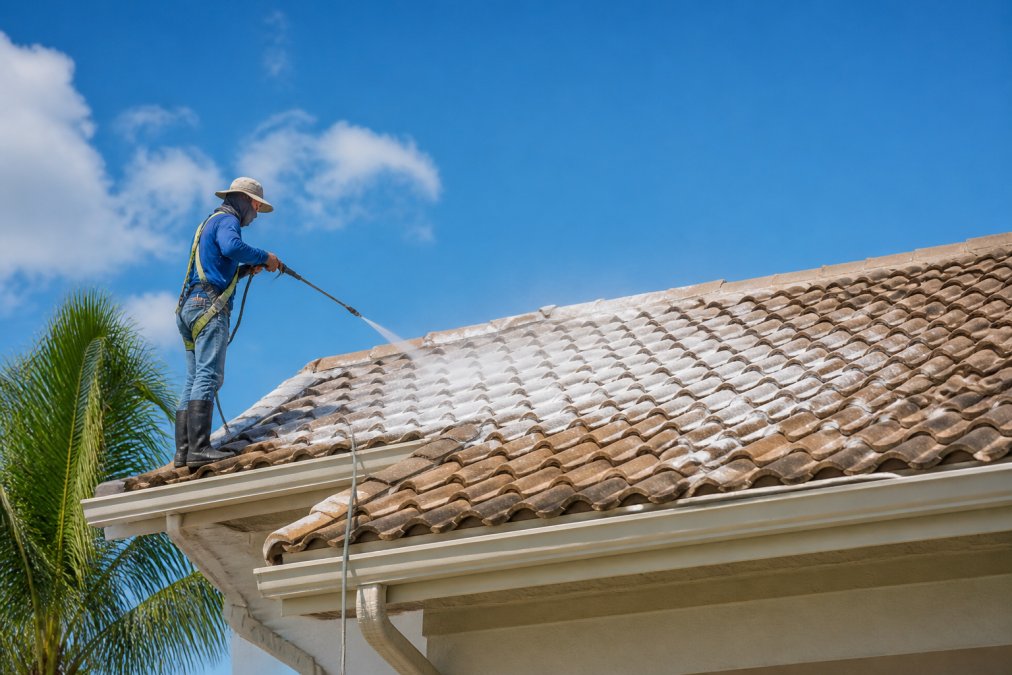
Soft wash roof cleaning is the safest method for extending the life of your asphalt shingles or clay tiles. Unlike pressure washing, which can granulate shingles and shorten their lifespan, soft washing uses a low-pressure application of biodegradable chemicals to eliminate organic growth. This soft wash roof cleaning approach protects your roof’s surface integrity while restoring its original color.
The benefits go beyond simple aesthetics. In South Florida’s heat and humidity, algae and moss retain moisture against your roof, accelerating decay and degrading the materials. Professional soft washing removes these organisms and leaves a protective residue that slows regrowth. According to guidance from the Asphalt Roofing Manufacturers Association, proper maintenance is key to achieving the full design life of your roof, and high-pressure washing is not recommended for shingle surfaces.
Protecting Your Investment with Professional Paver Sealing Services
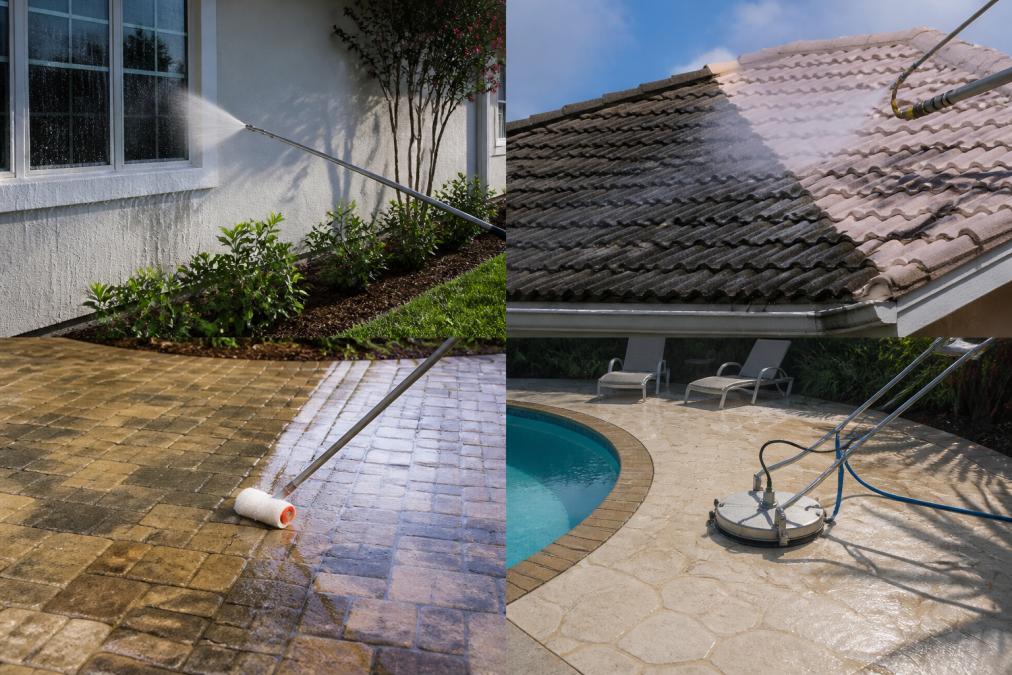
Paver sealing is a preventative maintenance step many homeowners overlook until it’s too late. Unsealed pavers absorb oil, organic grime, and moisture, leading to discoloration, weed growth, and loosening of the sand in the joints. Professional paver sealing services protect the surface from these elements, locking in the color and stabilizing the base.
The process involves a thorough cleaning to remove existing stains and biological growth, followed by the application of a high-quality commercial sealant. This sealant acts as a barrier against UV rays and water penetration, the primary causes of paver deterioration. For pool decks, this is especially critical, as a sealed surface resists pool water chemical imbalance and provides a safer, non-slip finish.
Refreshing Your Home with Driveway and Pool Deck Cleaning
Driveways and pool decks take the brunt of Florida’s weather, making them prime candidates for mold, algae, and oil stains. Routine driveway and pool deck cleaning is about more than curb appeal; it’s a safety issue, as algae growth on concrete becomes slippery when wet. A professional clean removes this organic grime and restores the surface’s original traction.
Standard pressure washing on concrete can etch the surface, leaving it rougher and more prone to future staining. A professional service uses pre-treatment with biodegradable cleaners and a controlled rinse to draw out deep-seated stains. This approach, often including a house wash for your siding and exterior walls, ensures the entire exterior maintains a consistent, fresh appearance.
How to Choose the Right Pressure Washing Alternative
Selecting the correct cleaning method is not a one-size-fits-all decision. The ideal approach depends on the surface material, its condition, and the type of soiling. Below is a surface compatibility matrix outlining the recommended alternative for common exterior surfaces.
Surface Compatibility Matrix
| Surface | Recommended Method | Why This Method | Key Considerations |
|---|---|---|---|
| Asphalt Shingle Roof | Soft Wash | High pressure granulates shingles, accelerating aging and voiding the warranty. Soft washing kills algae and moss at the root without abrasive damage. | Use a professional service. The chemicals and safety protocols are specialized, and walking on a roof is dangerous. |
| Vinyl Siding | Soft Wash or Low-Pressure House Wash | Removes mold, mildew, and dirt streaks without forcing water behind the panels. | A garden pump sprayer and a soft brush are effective for DIY. Avoid high pressure, which can crack the siding. |
| Stucco | Soft Wash | Stucco is porous and brittle. High pressure can erode the finish and cause cracks. A gentle chemical wash is the only safe method. | Use a low-pressure rinse. Never use a metal brush or sharp scraper. |
| Painted Wood Siding | Soft Wash | High pressure strips paint and can gouge the wood. Soft washing cleans the surface without damaging the paint film. | Test a small, inconspicuous area first to ensure the chemical solution doesn’t discolor the paint. |
| Concrete Driveway | Low-Pressure Wash with Surface Cleaner | Removes oil stains and organic grime. A surface cleaner attachment provides even cleaning without leaving tiger stripes. | For oil stains, a degreaser pre-treatment is necessary. High pressure can etch the concrete, making it more porous and prone to future staining. |
| Paver Patio or Pool Deck | Soft Wash + Professional Paver Sealing | Soft washing cleans the pavers and joints without dislodging the sand. Sealing then locks in the color and stabilizes the base. | Sealing is a critical step for longevity. It prevents weed growth and resists UV damage and pool chemical imbalances. |
| Brick | Soft Wash | Brick is durable but the mortar is soft. High pressure can erode the mortar joints, leading to structural issues. | Use a wide-angle, low-pressure nozzle. Avoid pointing the spray directly at the mortar lines. |
Matching the Method to the Situation
Beyond the surface type, the specific situation dictates the process. A driveway cleaning task involving oil stains requires a different approach than one involving only algae. Oil needs a degreaser and dwell time, while algae requires a biocide. A professional service will assess the staining and choose the appropriate chemical.
Similarly, a house wash for exterior home cleaning is not just about the siding. It includes cleaning the gutters, window frames, and door surrounds, which often harbor wasp nests and accumulated debris requiring careful, low-pressure attention. A professional crew uses a variety of nozzles and applicators to ensure a consistent finish without damage.
The Role of Preventative Maintenance
Choosing the right alternative is also about timing. Regular maintenance prevents the buildup of organic growth that necessitates aggressive cleaning. Scheduling a soft wash roof cleaning every 18-24 months prevents the deep-rooted algae that can shorten a roof’s lifespan. Likewise, professional paver sealing every 2-3 years protects the surface, meaning you will need less aggressive cleaning in the future.
Conclusion
The right pressure washing alternative protects your home’s surfaces while restoring its appearance and value. Whether you need a soft wash for your roof, professional paver sealing, or a thorough driveway and pool deck cleaning, the focus should always be on safe, effective methods that deliver lasting results.
At Freedom Wash Club, we bring over a decade of experience to every South Florida property. As a locally owned, licensed, and insured company, we offer easy scheduling over the phone or by text, with no need for in-person estimates. We are committed to keeping your HOA happy and your home looking its best. Get started with Freedom Wash Club and receive your free quote today.
Frequently Asked Questions
What is the main difference between pressure washing and soft washing?
Pressure washing uses high-pressure water to blast away dirt, which can damage surfaces like roof shingles or painted wood. Soft washing uses low-pressure application (around 50 PSI) combined with biodegradable cleaning solutions to kill mold, algae, and mildew at the root. This makes soft washing a safer, more effective long-term solution for delicate exterior surfaces. A pressure washing alternative that uses soft wash techniques protects your home’s integrity while providing a deeper clean.
Why is soft washing considered a better alternative for roof cleaning?
High-pressure water on a roof can strip away protective granules from shingles, leading to premature aging and potential leaks. Soft wash roof cleaning benefits include eliminating organic growth like algae and moss without abrasive damage. The cleaning solution dwells on the surface to kill the organisms at the root, which means results last longer and your roof’s surface integrity is preserved, preventing costly repairs down the line.
What are the benefits of professional paver sealing services?
Professional paver sealing services protect your driveway, patio, or pool deck from staining, weed growth, and erosion caused by weather and traffic. A sealer acts as a barrier, locking in the sand between pavers and repelling oil, dirt, and organic grime. This not only keeps your surfaces looking newer and more vibrant but also extends their lifespan, increasing your property value and keeping your HOA happy.
How often should I have my driveway and pool deck professionally cleaned?
In South Florida’s humid climate, mold, algae, and mildew can grow quickly. For most homes, an annual professional driveway and pool deck cleaning is recommended to prevent slippery surfaces and stubborn stains from setting in. High-traffic areas or properties with overhanging trees may need service every six months. A professional service can assess your specific situation and suggest a preventative maintenance schedule to keep your exterior clean year-round.
Is professional exterior cleaning worth the investment for curb appeal?
Yes. Professional exterior cleaning is one of the most effective ways to boost curb appeal and maintain property value. It removes unsightly black streaks on roofs, grime on siding, and mold on driveways, making your home look well-maintained and inviting. For snowbirds or absentee owners, a professional service ensures the property is cared for year-round. This proactive approach prevents costly repairs from neglect and is a worthwhile investment before selling your home.