Table of Contents
- Why Roof Shingle Maintenance Matters
- How to Inspect Roof Shingles Safely
- Roof Inspection Frequency: When and How Often
- How to Clean Roof Shingles Without Damage
- Your Roof Maintenance Checklist by Season
- Addressing Common Shingle Problems
- Protecting Your Investment Long-Term
- Frequently Asked Questions
Last Updated: October 14, 2026
Why Roof Shingle Maintenance Matters
Your roof is your home’s first line of defense against weather. To maintain roof shingles properly, you must care for them consistently, or they deteriorate faster than they should. This leads to leaks, water damage, and expensive repairs down the road.
Regular maintenance extends shingle lifespan significantly. It also keeps your home protected and maintains curb appeal. At Freedom Wash Club, we’ve seen how preventive care saves homeowners in repair costs.
Think of roof shingle maintenance like brushing your teeth. Small, consistent actions prevent big problems. A few hours twice a year beats emergency repairs that cost far more.
The good news: you don’t need special skills to maintain roof shingles for beginners. You need a plan, basic safety awareness, and knowledge of what to look for. This guide walks you through everything.
How to Inspect Roof Shingles Safely
Inspecting your roof starts on the ground. You can spot most problems without climbing anything.
Ground-Level Inspection Techniques
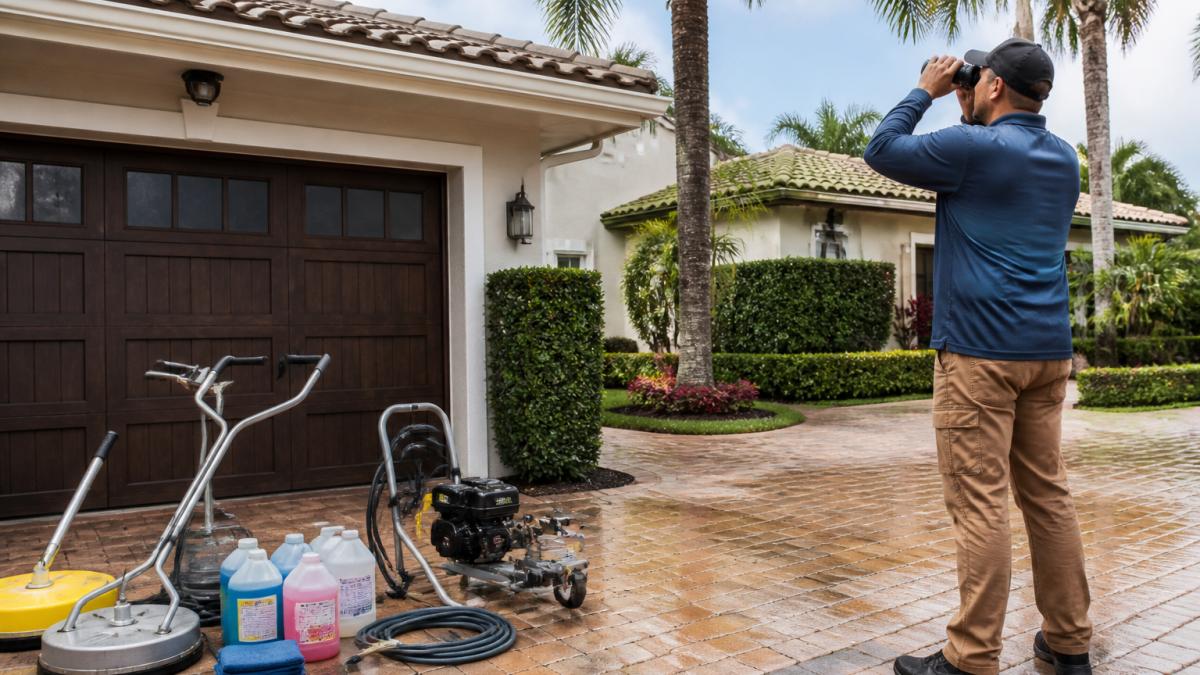
Use binoculars to examine shingles from your driveway or yard. This gives you a clear view without risk.
Look at the entire roof systematically. Start at one corner and scan across. Move down to the next section. Take your time.
Use your phone camera to zoom in on areas of concern. Photos help you remember what you saw. They’re also useful if you need to call a professional later.
Check after storms or heavy rain. Wind and water reveal problems quickly. Look for changes since your last inspection.
What to Look For: Damage Signs
Damaged shingles show clear warning signs. Here’s what to watch for:
- Missing shingles: Gaps in coverage expose the roof deck
- Cracked shingles: Splits allow water to seep underneath
- Curling shingles: Edges that curl up mean the shingle is failing
- Bald spots: Shingles losing their granule coating
- Black streaks: Algae or mold growth (common in humid climates)
- Sagging areas: The roof deck is compromised underneath
- Lifted shingles: Wind damage or improper installation
Don’t ignore small problems. They grow into big ones quickly. A single cracked shingle can lead to water damage inside your attic within weeks.
Roof Inspection Frequency: When and How Often
Most roof problems announce themselves long before they leak. The trick is checking often enough to catch them, without turning your weekend into a roofing job. For most homes, a simple three-tier schedule works: a baseline cadence, weather-triggered checks, and age-based adjustments.
The Baseline Cadence
Twice a year is the floor, not the ceiling. Aim for one inspection in spring and one in fall.
- Spring: Look for what winter left behind, lifted shingles, cracked sealant, granule piles in the gutters, and water stains in the attic.
- Fall: Clear the roof and gutters before the first freeze, confirm flashing is sealed, and note any new algae or moss before cold weather locks it in.
Put both dates on your phone calendar now. A recurring reminder beats good intentions.
Weather-Triggered Checks
Storms reset the clock. After any of the following, do a quick ground-level walkaround within a few days:
- Hail of any size
- Sustained winds strong enough to move patio furniture
- Heavy rain that overflows gutters
- Ice damming or a snow load that lingers for days
- A nearby tree losing a large limb
You are not climbing up. You are scanning the roofline with binoculars and checking the attic and ceilings for new stains.
Age-Based Adjustments
A roof’s inspection needs change as it ages:
- Under 10 years: Twice yearly is usually enough.
- 10-15 years: Add a mid-summer check, especially in humid or storm-prone areas.
- Over 15 years: Move to quarterly. Shingles at this age lose granules faster, sealant dries out, and small failures compound quickly.
- Any age with a prior repair: Inspect the repaired area monthly for the first year.
A Simple Beginner-Safe Routine
You do not need to walk the roof to inspect it. Build the habit around three safe vantage points:
- The ground. Walk the perimeter with binoculars. Note missing shingles, sagging lines, dark streaks, and anything that looks different from last time.
- The attic. On a dry day, look at the underside of the roof deck with a flashlight. Water stains, dark streaks, or daylight poking through are red flags.
- The ceilings and walls. Interior stains, peeling paint, or a musty smell after rain point to a roof or flashing issue.
Photograph the same four corners of your roof every inspection. Side-by-side photos make slow changes, a curling edge, a spreading stain, obvious in a way memory never does.
When to Skip the Schedule and Call Someone
If you see sagging, daylight through the roof deck, or water actively entering the attic, stop inspecting and call a qualified roofer. Those are not maintenance items. They are repairs.
For routine upkeep between inspections, clearing debris, soft wash roof cleanings, and gutter care, a professional exterior cleaning service can handle the work safely and on a schedule that matches your roof’s needs.
How to Clean Roof Shingles Without Damage
Cleaning removes debris and prevents algae growth. But improper cleaning damages shingles permanently.
Safe Cleaning Methods for Asphalt Shingles
Never use a pressure washer on asphalt shingles (Algae & Moss Prevention and Cleaning for Asphalt Roofing Systems). High pressure strips away the protective granule coating. This ages your shingles years ahead of schedule.
Soft washing is the safe approach. This uses low-pressure water with gentle cleaning solutions. It removes dirt, algae, and moss without harm.
A soft brush and mild soap work for small areas. Scrub gently in the direction of the shingles. Rinse thoroughly with low-pressure water.
For larger areas or heavy buildup, professional soft wash roof cleaning is worth the investment. Freedom Wash Club uses soft wash techniques specifically designed for asphalt shingles. This protects your roof while removing all the buildup.
Removing Moss, Algae, and Debris
Leaves and branches trap moisture. They accelerate shingle deterioration. Remove them regularly.
Use a soft broom or brush. Sweep debris gently toward the gutters. Never scrape or use sharp tools.
For moss and algae, soft washing is most effective. These organisms feed on moisture and shade. Removing them prevents them from spreading.
Zinc strips can prevent new algae growth. Install them near the roof peak. They release zinc oxide when it rains, which inhibits algae.
Your Roof Maintenance Checklist by Season
A seasonal approach keeps you organized. Different seasons bring different challenges.
Spring and Fall Tasks
Spring checklist:
- Inspect for winter damage (wind, ice, snow)
- Clean gutters and downspouts
- Remove leaves and branches from roof
- Check flashing around vents and chimneys
- Look for missing or cracked shingles
- Trim overhanging tree branches
- Soft wash roof if algae is visible
Fall checklist:
- Clear leaves and debris from roof
- Clean gutters before winter
- Inspect for storm damage
- Check for moss and algae growth
- Trim branches that hang over roof
- Ensure proper drainage
- Inspect attic for leaks or moisture
Winter and Summer Considerations
Winter brings ice and snow weight. Spring thaw reveals damage. Check your attic for water stains after winter.
Summer heat can accelerate shingle aging. Ensure proper attic ventilation. Heat buildup degrades shingles faster.
In humid climates, algae grows year-round. Monitor your roof monthly during warm, wet seasons. Address growth early before it spreads.
Addressing Common Shingle Problems
Most shingle problems fall into a few categories. Knowing how to handle them saves money and prevents bigger damage.
Cracked, Curled, or Missing Shingles
A single cracked shingle doesn’t always need immediate replacement. If the crack is small and doesn’t go all the way through, monitor it. Check it monthly for growth or leaking.
Curled shingles are aging. They typically don’t need immediate replacement, but plan for roof work in the next few years.
Missing shingles require attention. Even one missing shingle exposes the roof deck to water damage. This is worth fixing promptly.
Small repairs are sometimes possible with roofing cement. Lift the shingle edge gently. Apply roofing cement underneath. Press down firmly. This is temporary. Plan for proper replacement within a year.
When to DIY Versus Call a Professional
You can handle inspection, cleaning, and minor debris removal safely from the ground. These tasks don’t require climbing or special equipment.
Call a professional when:
- You need to replace shingles
- The roof is very steep or high
- You have extensive damage (multiple missing shingles, large cracks)
- You’re uncomfortable working at heights
- The problem involves flashing or structural issues
- You need soft wash roof cleaning for your entire roof
- You want warranty protection on repairs
Professional roofers have insurance, proper equipment, and experience. They spot problems you might miss. They also work safely without risk.
Freedom Wash Club handles soft wash roof cleaning professionally. We also offer exterior home cleaning services that complement roof maintenance. Our licensed and insured team removes algae, moss, and buildup safely.
Protecting Your Investment Long-Term
Your roof is one of your largest investments. Protecting it pays dividends.
Regular maintenance prevents small problems from becoming expensive ones. A roof that’s well-maintained lasts 20-25 years or more. Neglected roofs fail in 15 years or less.
Document your maintenance. Keep photos and notes of inspections. This creates a record for insurance and future sales.
Plan ahead. Budget for roof work. If your shingles are aging, start planning replacement now rather than waiting for emergency repairs.
Keep gutters clean. Proper drainage protects the entire roof structure. Clogged gutters cause water to back up under shingles.
Trim trees regularly. Branches that hang over your roof drop debris constantly. They also block sunlight, creating damp conditions that encourage algae.
Consider professional maintenance plans. Freedom Wash Club offers seasonal cleaning and inspection services. Regular soft wash roof cleanings, house wash services, driveway cleaning, and pool deck cleaning keep your entire property protected.
Frequently Asked Questions
How often should you inspect a shingle roof?
Inspect your roof twice a year: once in spring and once in fall. After severe storms, check for damage immediately. If your roof is over 15 years old or you notice signs of wear, inspect every few months. Regular inspections catch small problems before they become expensive repairs and extend your shingle lifespan significantly.
How can beginners inspect roof shingles safely?
Stay on the ground whenever possible. Use binoculars to spot damage from below, or inspect from a ladder positioned against the house (never lean against the roof). If your roof is steep or you’re uncomfortable on heights, hire a professional. Never walk on wet shingles, and always use proper fall protection if you must access the roof.
Can you clean asphalt shingles with a pressure washer?
High-pressure washing can damage asphalt shingles by forcing water under them and stripping granules. Use low-pressure cleaning or soft wash methods instead. A professional soft wash roof cleaning removes moss, algae, and dirt safely without harming shingles. If DIY cleaning, use a garden hose and soft brush, or hire a licensed professional to ensure your roof stays protected.
What should you do about cracked, curled, or missing shingles?
One or two damaged shingles can be repaired by a professional roofer. If multiple shingles are cracked, curled, or missing, or if your roof is nearing the end of its lifespan (15-25 years), replacement may be more cost-effective. Document damage with photos for insurance claims. Have a professional assess whether repair or replacement makes sense for your roof’s age and condition.
Maintaining roof shingles protects your home and preserves its value. Small, consistent actions prevent expensive repairs. When you’re ready for professional help with cleaning or inspection, Freedom Wash Club is here. We offer licensed, insured soft wash roof cleaning and complete exterior home maintenance. Text or call us today for a free quote and see how we can help protect your investment.