Table of Contents
- What Causes Black Streaks on a Roof
- Why Black Streaks Return So Quickly After Cleaning
- Soft Wash Roof Cleaning vs. Pressure Washing
- How to Prevent Roof Algae From Returning
- How Often to Clean a Roof
- A Diagnosis Checklist: Is It Really Algae?
- Frequently Asked Questions
Last Updated: October 12, 2026
What Causes Black Streaks on a Roof
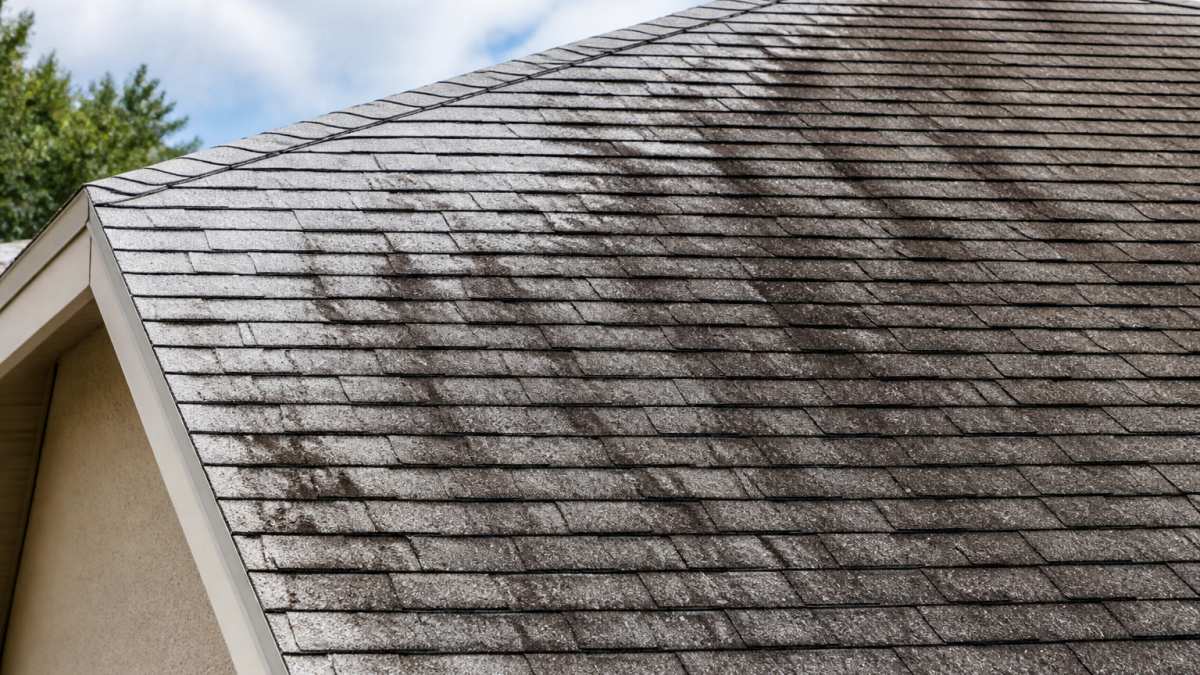
Black streaks roof shingles are one of the most common complaints homeowners bring to us at Freedom Wash Club. They look unsightly, but understanding what causes them is the first step to preventing their return.
Gloeocapsa Magma and Airborne Algae
The dark streaks you see are typically caused by Gloeocapsa magma, a type of airborne algae that lands on your roof and begins to grow.
The algae spreads through airborne spores. Once established, the algae feeds on the limestone and other minerals in asphalt shingles.
What makes this process frustrating is how quickly it can return after cleaning. The spores don’t disappear when you wash your roof. They remain in your gutters, downspouts, and nearby debris, waiting to recolonize the surface.
How Moisture and Humidity Fuel Growth
Moisture is the fuel that powers algae growth. The algae needs water to thrive, which is why black streaks often appear first in shaded areas or on the north-facing side of roofs.
High humidity levels create an ideal environment. If your home sits in a warm, humid climate or near trees that create shade, you’re providing exactly what the algae needs. The combination of moisture retention, organic material, and shade creates a perfect storm for rapid regrowth.
Gutters clogged with debris compound this problem. Standing water in clogged gutters keeps the surrounding roof area damp, encouraging the algae to spread faster.
Why Black Streaks Return So Quickly After Cleaning
This is the question we hear most often: “Why did the algae come back after just a few months?”
The answer isn’t that your roof wasn’t cleaned properly. It’s that the conditions that caused the algae in the first place are still there.
Spores Remain in Your Gutters and Debris
Cleaning black streaks roof removes the visible algae, but it doesn’t eliminate the spore source. Algae spores settle in your gutters, downspouts, and nearby leaf debris. They wait dormant until conditions are right to spread again.
When it rains or humidity spikes, those spores activate and travel back onto your clean roof surface. This is why black streaks return quickly, the source never left.
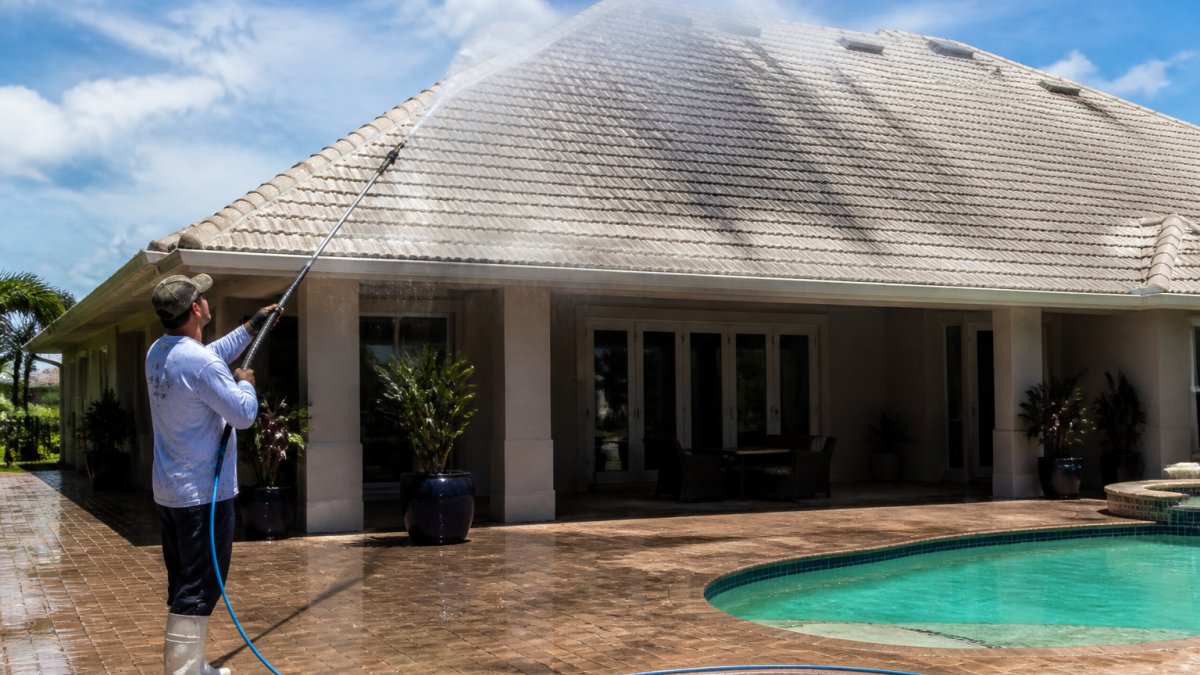
This is also why pressure washing alone often fails. High-pressure water can damage shingles and doesn’t address the spore problem in your gutters. At Freedom Wash Club, we use soft wash roof cleaning techniques that remove algae safely while addressing the underlying moisture conditions that allow regrowth.
Environmental Conditions Favor Rapid Regrowth
If your roof sits in shade most of the day, the algae will return faster. Shade prevents the sun from drying out the roof surface between rain events. The damp conditions allow spores to germinate quickly.
Similarly, if your roof has poor drainage or ventilation, moisture lingers longer. This creates an extended window for algae to take hold again.
Trees overhanging your roof are a major factor. They drop debris, create shade, and increase moisture retention. The combination makes regrowth nearly inevitable without ongoing maintenance.
Soft Wash Roof Cleaning vs. Pressure Washing
Not all cleaning methods are equal, and the difference shows up in how long your roof stays clean. This is where most homeowners get surprised: the method used determines whether you are removing algae or just removing the evidence of it.
What Soft Washing Actually Does
Soft wash roof cleaning relies on low pressure, typically no more than what a garden hose delivers at the nozzle, combined with a cleaning solution that kills the algae at the cellular level.
Because the pressure is low, the shingle granules stay intact. Those granules are the asphalt shingle’s first line of defense against UV and weather. Once they are stripped, the shingle ages faster and the algae has a rougher surface to grip on the next cycle.
Soft washing also reaches into the places pressure cannot: the gaps between shingle tabs, the shadowed areas under flashing, and the north-facing slopes where algae establishes first. A pressure washer hits the high points and blows past the rest.
Where Pressure Washing Falls Short
Pressure washing removes the visible streak. It does not remove the algae’s hold on the shingle. High-pressure water shears the top layer of growth off, but the algae’s root-like filaments remain embedded in the porous surface of the shingle. Within weeks, those filaments regenerate and the streak returns, often darker than before because the surface is now rougher and holds more moisture.
The damage risk is real. Asphalt shingles are designed to shed water, not to absorb a 3,000 PSI jet. Pressure washing can crack shingle tabs, dislodge seals, strip granules, and force water under the shingle layer where it promotes rot in the decking. Many shingle manufacturers explicitly state that high-pressure cleaning voids the roof warranty.
The Runoff Question
Both methods produce runoff, but the runoff from soft washing carries the cleaning solution and the dead algae with it. That runoff needs to be managed. Plants, grass, and painted surfaces below the roof line should be pre-wetted and rinsed, and the solution should be directed away from storm drains where local rules restrict what can enter them. A responsible soft wash crew plans the runoff path before the first drop of solution leaves the pump.
Matching the Method to the Roof
For most residential asphalt shingle roofs, soft washing is the appropriate method. It kills the algae, preserves the granules, and leaves the shingle surface in a condition that resists the next colonization cycle. For tile, metal, and flat roofs, the solution strength and dwell time change, but the principle holds: chemistry does the work, not pressure.
If a contractor proposes pressure washing your shingle roof, ask what PSI they plan to use and whether they will apply any treatment after the rinse. If the answer is high pressure and no treatment, the streaks will be back before the season turns. Soft wash roof cleanings are the standard for a reason, they address the organism, not just the stain.
Never let anyone pressure wash an asphalt shingle roof. The granules that protect the shingle are the same granules that come off in the runoff. Once they are gone, they do not come back.
Beyond the Roof
The same low-pressure, solution-based approach that works on shingles is the right approach for the rest of the exterior. House wash and exterior home cleaning remove the organic growth that feeds on siding, soffits, and trim. Driveway cleaning lifts the algae film that makes concrete slick after rain. Pool deck cleaning keeps the surface safe and free of the same spores that colonize the roof. Paver sealing, applied after a thorough cleaning, locks the joint sand in place and slows the return of weeds, algae, and staining on driveways, walkways, and patios. Treating the whole exterior as one system, roof, siding, concrete, and pavers, is how you stop playing whack-a-mole with recurring growth.
How to Prevent Roof Algae From Returning
Prevention is always easier than repeated cleaning. While you can’t eliminate algae spores entirely, you can make your roof a less hospitable environment.
Zinc and Copper Strips: What Works and What Doesn’t
Zinc and copper strips are commonly recommended as a preventive measure. The idea is that rainwater running over these metal strips picks up particles that inhibit algae growth.
In theory, this sounds promising. In practice, the results are mixed. Some homeowners report success, while others see minimal difference.
If you choose to install strips, place them near the roof peak so rainwater carries the metal particles down the entire surface. Budget for professional installation to ensure they’re secure and properly positioned.
A more reliable approach is to address the moisture and shade issues directly. Trim overhanging tree branches, improve gutter maintenance, and ensure proper roof ventilation. These steps tackle the root cause rather than relying on a passive solution.
Gutter Maintenance and Debris Removal
Clean gutters are your first line of defense against algae regrowth. Debris in gutters traps moisture and provides a breeding ground for spores. Regular cleaning removes this habitat.
We recommend gutter cleaning at least twice per year, spring and fall. In areas with heavy tree cover, quarterly cleaning may be necessary.
Beyond cleaning, ensure your gutters are properly sloped so water drains completely. Standing water in gutters accelerates algae spread to the roof surface. If your gutters are sagging or damaged, repair or replace them.
Downspout extensions also help. They direct water away from the foundation while reducing moisture near the roof line. This simple addition can significantly slow algae regrowth.
How Often to Clean a Roof
The frequency depends on your climate, tree cover, and how much algae regrowth bothers you.
In humid climates with significant shade, many homeowners benefit from annual cleaning. This prevents streaks from becoming severe and maintains curb appeal.
In drier climates or on fully exposed roofs, cleaning every 2-3 years may be sufficient. The algae grows more slowly without the moisture and shade it needs.
Rather than following a fixed schedule, monitor your roof. If black streaks begin to appear noticeably, it’s time to clean. Catching algae early prevents it from becoming entrenched.
Professional cleaning is worth the investment. Attempting roof cleaning yourself risks falls and shingle damage.
A Diagnosis Checklist: Is It Really Algae?
Before you invest in cleaning, confirm that black streaks are actually algae and not another problem.
Check these signs:
- The streaks run vertically down the roof
- They’re darker on shaded areas or the north side
- The discoloration is surface-level, not embedded in shingles
- The pattern looks similar to other roofs in your neighborhood
- The streaks appear gradually, not suddenly
If you see these patterns instead:
- Streaks that are brown or orange (likely rust or mineral staining)
- Damage that looks like missing granules or cracks (shingle deterioration)
- Streaks only in one small area (possible roof damage or flashing issue)
- A sudden appearance after heavy rain (possible water damage or leaking)
Algae is the most common cause of black streaks, but not the only one. If you’re unsure, a professional inspection can clarify the issue. We can assess your roof and recommend the right solution, whether that’s cleaning, repair, or maintenance.
Black streaks return quickly because the conditions that created them never go away. The spores linger in your gutters. The shade and moisture persist. The algae simply waits for the right moment to spread again.
At Freedom Wash Club, we combine professional soft wash roof cleaning with practical prevention guidance. We address both the visible problem and the underlying causes that make regrowth likely.
Frequently Asked Questions
Why do black streaks return to my roof so quickly after cleaning?
Black streaks return fast because airborne algae spores land on your roof constantly, especially in humid climates with shade and moisture. Even professional cleaning removes the visible algae, but spores in gutters, debris, and nearby trees reinfect the surface within weeks or months. Without addressing the underlying conditions that allow algae to thrive, regrowth is inevitable. This is why prevention measures like gutter maintenance and improving roof drainage are critical.
What causes black streaks on a roof in the first place?
Black streaks are caused by Gloeocapsa magma, an airborne algae that thrives on asphalt shingles in warm, humid, shaded environments. The algae feeds on the limestone and asphalt in your roof and spreads through airborne spores. Moisture from humidity, poor drainage, and shade from nearby trees accelerate growth. The dark discoloration is the algae itself, not roof damage, but it does trap moisture and can shorten your roof’s lifespan if left untreated.
How often should I clean my roof to prevent black streaks?
In humid climates with significant tree cover and shade, annual or biennial cleaning is common. However, the best approach depends on your roof’s exposure, local humidity levels, and how quickly streaks return on your property. Rather than a fixed schedule, monitor your roof each year and clean when streaks become visible. Pairing professional soft wash cleaning with preventive measures like gutter maintenance and zinc strips extends the time between cleanings significantly.
Is soft wash roof cleaning safe for asphalt shingles?
Yes, soft wash cleaning is safe for asphalt shingles when performed correctly. Unlike high-pressure washing, which can damage shingles and void warranties, soft washing uses low-pressure water combined with specialized cleaning solutions to kill algae and bacteria without harming the roof surface. Professional soft wash services also address gutters, downspouts, and surrounding areas where spores accumulate, reducing the likelihood of quick regrowth. Always hire licensed professionals to ensure your roof warranty remains intact.