Table of Contents
- What Happens If You Skip Paver Sealing: The Short Answer
- A Timeline of Damage on Unsealed Pavers
- Weed Growth, Joint Sand Loss, and Water Penetration
- Fading, Staining, and Surface Discoloration
- The Pros and Cons of Sealing Pavers
- Unsealed Pavers Maintenance: What It Really Takes
- Paver Sealing Mistakes That Cause Problems
- When Not Sealing May Be the Right Call
- Frequently Asked Questions
Last Updated: October 19, 2026
What Happens If You Skip Paver Sealing: The Short Answer
Skip paver sealing and the surface starts aging faster than it should. Joint sand washes out, weeds move in, stains set deeper, and color fades under UV exposure.
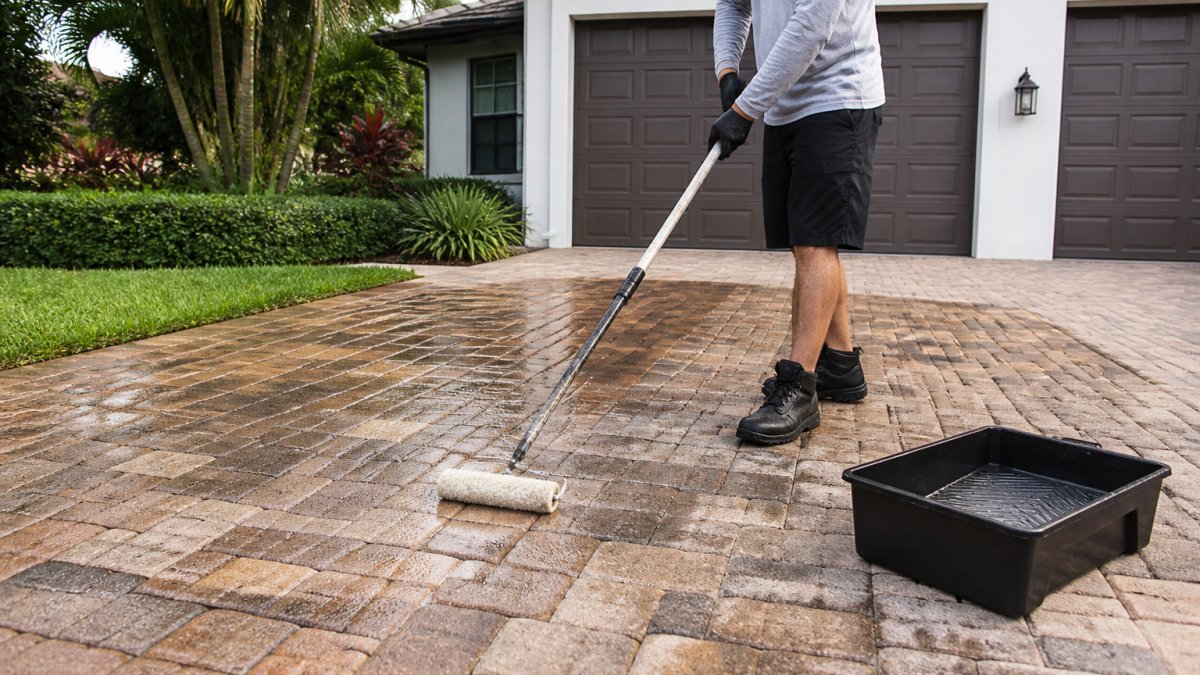
Paver sealing is the practice of applying a protective coating over concrete pavers, clay pavers, or natural stone to lock in joint sand, repel water, and slow surface wear.
Here is the honest version most guides skip: sealing is not mandatory. Plenty of driveways survive without it.
A Timeline of Damage on Unsealed Pavers
Damage on unsealed pavers follows a predictable pattern, but the pace and severity depend heavily on paver material, jointing method, climate, and traffic. Here is what to expect, separated into short-term effects and gradual changes over seasons and years.
Year One: The Subtle Changes
Most homeowners notice nothing in year one. The pavers still look new. But the joint sand starts to settle and wash out at the edges, especially on driveways with slope or poor drainage.
This is the stage where sealing would have been easiest. Once sand loss starts, joint stabilization becomes a bigger job. For concrete pavers, the surface may begin to show faint efflorescence (a white mineral deposit) as moisture moves through the material.
Years Two to Five: Visible Wear
By year two or three, the changes are hard to ignore. Color fades in sun-exposed areas, though the rate varies: concrete pavers with integral color fade more noticeably than clay or high-quality natural stone.
Left alone past year five, some pavers need joint replacement and spot cleaning before any sealer can go down. That is more work and more cost than a routine resealing schedule would have required.
Material-Specific Timelines
The timeline above is a general guide. Here is how it shifts by material:
- Concrete pavers: Most susceptible to UV fading and surface brittleness. Joint sand loss is common, especially with polymeric sand that can degrade if not sealed. In cold climates, freeze-thaw cycles accelerate chipping and joint failure.
- Clay pavers: Color holds up better under UV, but edges can chip if joints wash out and pavers shift. Weed growth in joints is a primary issue. Sealing is often optional for color retention but helps with joint stability.
- Natural stone pavers: Depend on the stone type. Dense stones like granite are very durable but can still stain; porous stones like sandstone or limestone are more vulnerable to moisture penetration, staining, and surface degradation. Some homeowners prefer the natural patina that develops without sealing.
Jointing Material Matters
The jointing material plays a big role in how quickly problems appear. Regular sand washes out fastest. Polymeric sand lasts longer but can crack or degrade if not sealed, especially under pressure washing or heavy rain. Some installations use stabilized jointing systems that are designed to be more resistant to erosion, but even these benefit from sealing to lock them in place.
Skipping sealing does not guarantee rapid damage, but it shifts the maintenance burden. The timeline above helps you anticipate when to inspect and intervene, regardless of whether you choose to seal.
Weed Growth, Joint Sand Loss, and Water Penetration
Weeds are the visible symptom. Joint sand loss is the cause.
Polymeric sand and regular joint sand hold pavers in place and block water from getting underneath. When that sand washes out, three things happen at once:
- Weed growth takes root in the empty joints
- Water penetration reaches the base under the pavers
- Drainage gets worse as joints fill with dirt and debris
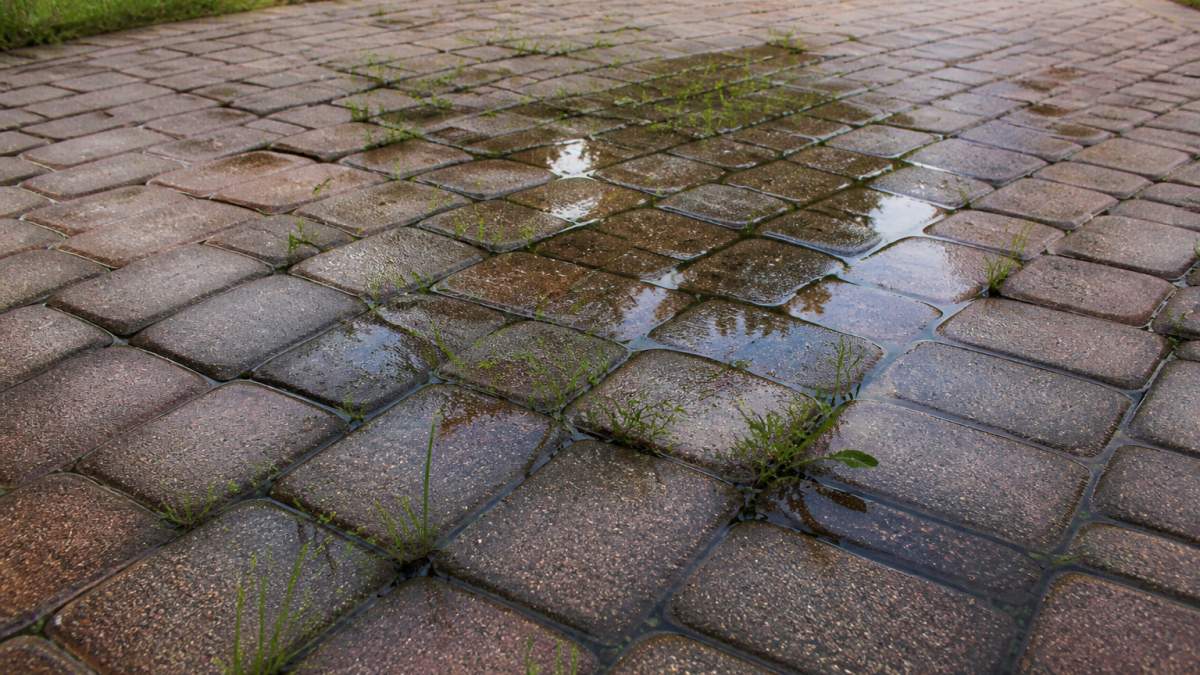
Water is the real problem. Trapped moisture under pavers can loosen the base over time. In shady areas, it feeds mold and algae growth on the surface.
Pulling weeds without refilling the joint leaves a gap that collects more water and more seeds. You are treating the symptom and feeding the cause.
Fading, Staining, and Surface Discoloration
UV rays do the quiet damage. Sun exposure breaks down the color in concrete pavers and clay pavers over time.
Stains work the same way. Oil drips, rust, leaf tannins, and mulch dye soak into an unsealed surface.
Sealing helps on both fronts. A sealer acts as a barrier against stains and slows UV-driven color loss. Color enhancement sealers can also deepen the tone of faded pavers.
The Pros and Cons of Sealing Pavers
Sealing is not a free win. Here is the honest trade-off, with a focus on when sealing helps and when it may not be worth it.
| Factor | Sealed Pavers | Unsealed Pavers |
|---|---|---|
| Joint sand retention | Held in place | Washes out over time |
| Weed growth | Slowed | Common in empty joints |
| Stain resistance | Barrier against spills | Stains soak in |
| Color retention | Slowed UV fading | Fades faster |
| Cleaning | Easier to rinse | Needs more scrubbing |
| Resealing | Needed every few years | No resealer cost |
| Upfront cost | Higher | Lower |
| Surface breathability | Reduced (depends on sealer type) | Maintained |
| Risk of trapping moisture | Possible if surface is damp or drainage poor | Low |
The pros of sealing come down to protection and easier upkeep. The cons are real too: you pay for the sealer, you pay for the labor, and you commit to resealing on a schedule.
When Not Sealing May Be Preferable
Sealing is not always the answer. Here is when skipping it makes sense:
- Breathable surfaces: Some natural stone and certain concrete pavers need to breathe. A sealer that forms a film can trap moisture, leading to spalling or mold growth. Penetrating sealers are less risky but still reduce vapor transmission.
- Drainage concerns: If your pavers already hold water or sit over a poorly draining base, sealing can make it worse by trapping moisture underneath.
- Natural appearance: Some homeowners prefer the weathered look of unsealed natural stone or clay pavers. Sealing can change the color and sheen, which may not be desirable.
Material-Specific Considerations
- Concrete pavers: Generally benefit from sealing, especially in climates with freeze-thaw cycles or heavy UV. Sealing helps retain color and reduces surface brittleness. However, if the pavers are already showing efflorescence or moisture issues, sealing may trap those problems.
- Clay pavers: Sealing is optional for color retention but can help with joint stability and weed control. Some clay pavers are dense enough that sealing offers limited benefit; others are more porous and benefit from protection.
- Natural stone: Depends on the stone. Dense stones like granite may not need sealing, while porous stones like sandstone or limestone benefit from a breathable sealer. Always test a small area first.
Practical Decision Guide
Use this checklist to decide whether to seal:
- Assess your pavers: Are they clean, stable, and draining well? If yes, sealing protects them. If not, address underlying issues first.
- Consider your climate: Heavy rain, humidity, and freeze-thaw cycles increase the benefits of sealing. Mild, dry climates may allow longer intervals between sealing.
- Think about maintenance: Are you willing to commit to resealing every few years? If not, unsealed pavers with regular cleaning and joint sand refill may be a better fit.
- Evaluate appearance goals: Do you want a enhanced look or a natural patina? Sealing can deepen color and add sheen, but it also changes the surface.
- Check HOA or warranty requirements: Some HOAs require sealing, and some paver manufacturers specify sealing for warranty coverage. Verify before deciding.
If you seal, plan the resealing cycle before you apply the first coat. A sealer that fails unevenly is harder to fix than one that was never applied.
For homeowners who prefer not to seal, maintenance alternatives include regular driveway cleaning, pool deck cleaning, and joint sand refill. Professional house wash and exterior home cleaning services can handle surrounding surfaces, while soft wash roof cleanings keep the roof clear of debris that can stain pavers below.
Unsealed Pavers Maintenance: What It Really Takes
Unsealed pavers maintenance is not zero maintenance. It is a different kind of work.
A realistic unsealed routine looks like this:
- Sweep or blow off debris every week or two
- Pressure wash the surface a few times a year
- Refill joint sand as it washes out
- Pull weeds early, before roots spread
- Treat mold and algae spots as they appear
- Spot-clean oil and rust stains quickly
That is more frequent attention than a sealed surface needs. Driveway cleaning and pool deck cleaning are part of the routine either way.
For homeowners who would rather not think about it, professional house wash and exterior home cleaning services handle the surrounding surfaces, while driveway cleaning and paver work keep the hardscape in shape.
Paver Sealing Mistakes That Cause Problems
Most sealer failures come from application, not the product.
The common paver sealing mistakes we see:
- Sealing a dirty surface. Dirt and mold get trapped under the sealer.
- Sealing wet pavers. Moisture under the sealer causes cloudiness and peeling.
- Overapplying. Excess sealer pools, bubbles, and dries unevenly.
- Skipping joint sand refill. Sealer locks in whatever sand is left, not what should be there.
Paver Sealer Drying Time and Application Conditions
Paver sealer drying time depends on the sealer type and the weather. Water-based sealer generally dries faster than solvent-based sealer. Humidity and cool temperatures slow curing for both.
Application conditions matter as much as drying time. Most manufacturers set a temperature range and ask for no rain during the curing window. Direct sun on a hot day can cause the sealer to skin over before it bonds.
Read the label on the specific sealer you buy. Drying times and temperature limits vary by product, and guessing is how uneven finishes happen.
When Not Sealing May Be the Right Call
Sealing is not always the answer. Here is when skipping it makes sense.
- New pavers. Fresh installations often need a curing period before sealing.
- Poor drainage. Sealing a surface that already holds water can trap moisture.
- Damaged or loose pavers. Fix the base first. Sealer will not solve instability.
- Tight budget. Unsealed pavers with regular maintenance can last years.
The decision guide is simple. If your pavers are clean, stable, and draining well, sealing protects them. If they are damaged, holding water, or brand new, fix the underlying issue first.
For South Florida homeowners dealing with heavy rain, humidity, and HOA standards, sealing usually pays off.
Skipping paver sealing is a choice with trade-offs, not a mistake on its own. If you want the protection without the guesswork, Freedom Wash Club offers licensed and insured paver sealing, soft wash roof cleanings, house wash and exterior home cleaning, driveway cleaning, and pool deck cleaning.
Frequently Asked Questions
Do you really need to seal your pavers?
Not always. Sealing pavers is optional for many installations, but it helps slow color fading from UV rays, makes stain cleanup easier, and stabilizes joint sand. If your pavers are in a high-traffic area, prone to weeds, or exposed to heavy sun and rain, sealing is worth considering. If the pavers are dense natural stone with good drainage and you do not mind extra cleaning, you can skip it. Weigh the pros and cons of sealing pavers against your maintenance budget.
How long do pavers last without sealer?
Concrete and clay pavers can last decades without sealer, but their appearance degrades faster. Unsealed pavers maintenance usually means more frequent pressure washing, weed pulling, and joint sand refills. Over time, moisture and UV exposure can cause surface discoloration and joint instability. Sealing does not make pavers permanent, but it can extend the time between deep cleanings and help them hold their color longer, especially in sunny climates.
What happens if it rains right after sealing pavers?
Rain during the paver sealer drying time can ruin the finish. Water-based sealers typically need 24 to 48 hours of dry weather to cure, while solvent-based products may set faster but still need protection from rain. If rain hits before the sealer sets, you may see bubbles, cloudiness, or an uneven finish. Always check the forecast and follow the manufacturer’s application conditions before sealing. If rain is likely, wait for a dry window.
Can you seal pavers years after installation?
Yes. Pavers can be sealed long after installation as long as they are thoroughly cleaned and any damaged joints are repaired first. Pressure washing removes dirt, algae, and old sealer residue. Replace lost joint sand with polymeric sand before applying a new sealer. Skipping surface preparation is one of the most common paver sealing mistakes and leads to sealer failure. A professional can assess whether your pavers are ready for sealing or need joint replacement first.