Table of Contents
- Soft Wash vs. Pressure Washing: Why the Method Matters
- How to Verify Contractor Insurance and Licensing
- Questions to Ask Roof Cleaning Companies Before You Hire
- What to Expect: Average Roof Cleaning Service Duration
- How to Find Reliable Roof Cleaners for Your Home
- Protecting Your Roof Warranty and Post-Cleaning Inspection
- Maintaining Your Roof Between Professional Cleanings
- Frequently Asked Questions
Last Updated: September 24, 2026
Soft Wash vs. Pressure Washing: Why the Method Matters
The method a contractor uses decides whether your roof comes out clean or damaged, and soft washing is the safer choice for almost every roof. Soft washing is a low-pressure cleaning technique that relies on biodegradable cleaning solutions to kill algae, mildew, and moss at the root rather than blasting them off the surface.
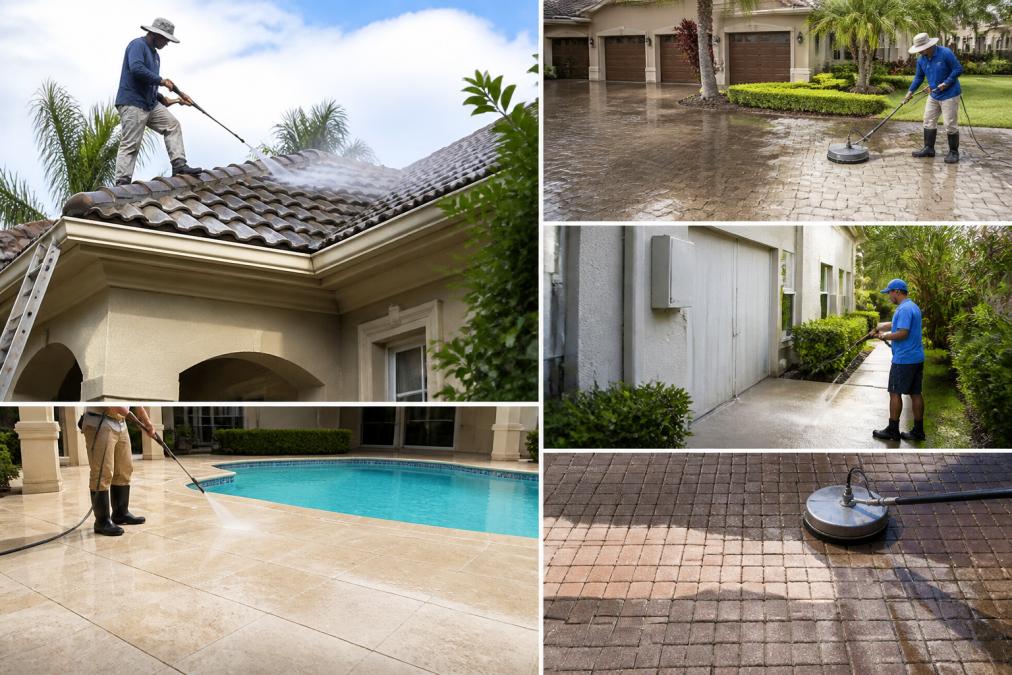
Pressure washing uses high-pressure water to strip dirt from hard surfaces. That works well on concrete driveways and pool decks. It is a bad match for asphalt shingles, where forced water can lift granules, crack tabs, and void your coverage.
Here is how the two compare:
| Method | Pressure Level | Best Surfaces | Main Risk |
|---|---|---|---|
| Soft wash | Low | Roofs, siding, painted exteriors | None when diluted correctly |
| Pressure wash | High | Driveways, pool decks, walkways | Shingle damage, water intrusion |
Most roof damage blamed on “cheap cleaners” traces back to high pressure on a fragile surface. A proper soft wash roof cleaning kills organic growth without touching the shingle structure. That distinction is the first thing to verify when you learn how to find reliable roof cleaners.
Never let a contractor pressure wash an asphalt shingle roof. The granules that protect the mat below wash away, and once they are gone, the shingle ages years faster than it should.
How to Verify Contractor Insurance and Licensing
Ask for a certificate of insurance and a state license number before anyone climbs a ladder, and confirm both directly with the issuing source. A legitimate contractor will send these without hesitation, usually the same day you ask.
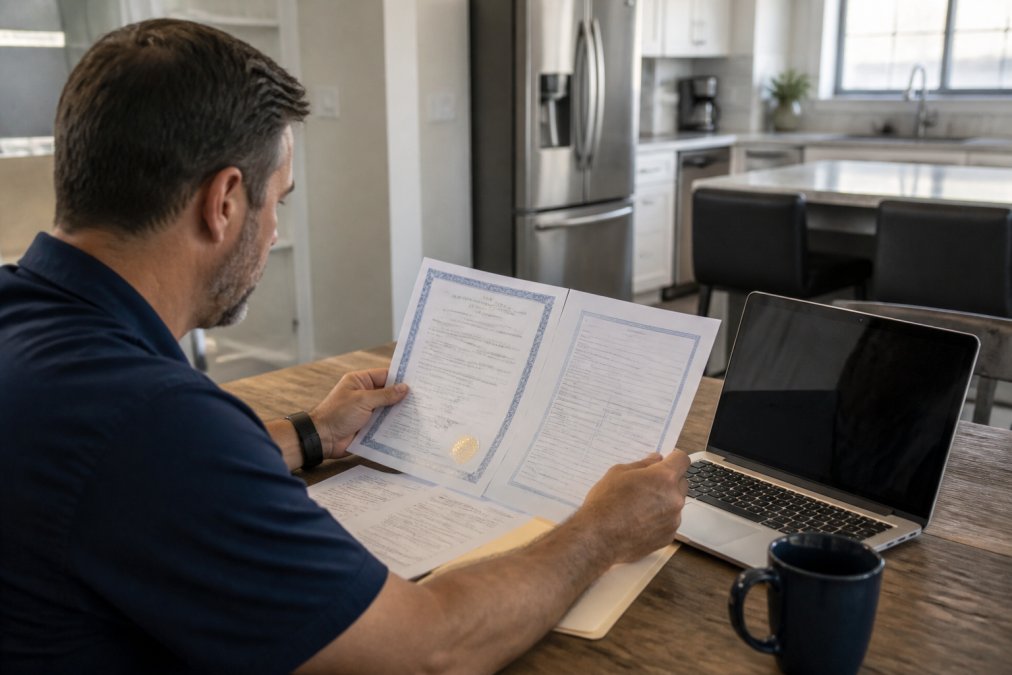
Here is a quick verification checklist:
- Request a certificate of insurance showing general liability coverage
- Confirm the policy is active by calling the insurer listed on the certificate
- Ask for the state license number and look it up in the state database
- Check that the license matches the company name on the quote
- Ask whether workers’ compensation covers the crew on site
General liability insurance protects your home if a worker damages siding or a window. Workers’ compensation covers injuries on your property. Without both, an accident becomes your problem.
Contractor licensing rules vary by state, and Florida requires registration for many exterior cleaning operations. The Florida Department of Business and Professional Regulation license lookup lets you confirm a license number in minutes. Freedom Wash Club is licensed and insured, and we share documentation on request before any job is scheduled.
Questions to Ask Roof Cleaning Companies Before You Hire
The right questions separate a professional operation from a truck with a phone number. Ask them before you compare quotes, not after.
Start with method. “Do you soft wash roofs or pressure wash them?” A professional answers immediately.
Then move to process and protection:
- What cleaning agents do you use, and are they biodegradable?
- How do you protect plants, gutters, and windows during the wash?
- Do you offer a workmanship warranty, and what does it cover?
- How do you handle runoff, and do you rinse landscaping afterward?
- Can you schedule without an in-person estimate?
That last one matters more than people expect. Companies that quote over the phone or by text are usually the ones with fixed processes and enough volume to trust their own numbers. Freedom Wash Club quotes by phone or text, so you are not waiting a week for someone to walk your yard.
Ask for the address of a job completed in the last 30 days. Contractors who do repeat work in the same neighborhoods can name one instantly. The ones who cannot are usually chasing one-off jobs.
What to Expect: Average Roof Cleaning Service Duration
Most residential roof cleanings take one to three hours from setup to final rinse. The average roof cleaning service duration depends on roof size, pitch, and how much organic growth has built up.
A single-story home with light algae staining usually finishes in about an hour of actual cleaning. Two-story homes with heavy mildew, or roofs with steep pitches that slow the crew down, run longer. Setup and rinse-down add time on every job.
What extends the timeline:
- Heavy moss that needs a second application
- Steep or multi-level rooflines requiring extra safety rigging
- Large roof areas above 3,000 square feet
- Additional services like driveway cleaning or a house wash booked the same visit
Cleaning efficacy is not about speed. A crew that rushes the dwell time on a soft wash leaves live algae behind, and the streaks return within months. Ask how long the solution sits before rinsing. A professional will give you a straight answer.
How to Find Reliable Roof Cleaners for Your Home
Finding reliable roof cleaners comes down to three filters: verified credentials, a clear method, and proof of past work. Anyone who passes all three is worth a quote.
Work through these steps:
- Search for local companies with recent reviews mentioning roof cleaning specifically
- Check licensing and insurance before you call
- Ask about method and cleaning agents on the first call
- Request photos of completed roofs similar to yours
- Compare written quotes that list exactly what is included
- Confirm the warranty terms in writing before you book
Customer testimonials carry real weight here. Look for reviews that name the service and the outcome, not just a star rating. One customer put it plainly: “Our home was completely transformed. You don’t realize how dirty a house gets until it looks like new again.” That kind of detail tells you more than a generic five-star rating.
Watch for red flags: cash-only payment, no physical address, pressure washing offered for shingle roofs, and quotes that undercut everyone else by half.
A reliable roof cleaner proves licensing, explains the soft wash method, and backs the work with a warranty. If any of those three is missing, keep looking.
Protecting Your Roof Warranty and Post-Cleaning Inspection
A botched cleaning can void your roof warranty, and most homeowners never find out until they file a claim and get denied. Manufacturer warranties typically exclude damage from improper maintenance, and high-pressure washing plus harsh chemicals are the two most common disqualifiers. The method a contractor uses is not just a quality question, it is a coverage question.
-
Asphalt shingles: Warranties almost universally exclude granule loss from high pressure. Soft washing with a diluted sodium hypochlorite solution is the accepted method, and the solution must be rinsed thoroughly so residue does not degrade the mat.
-
Metal roofs: Manufacturers typically prohibit abrasive scrubbing and strong acids that strip the factory finish. A soft wash with a manufacturer-approved cleaner preserves the coating and the finish warranty.
-
Clay and concrete tile: These tolerate soft washing well, but walking the roof improperly cracks tiles, and cracked tiles are rarely covered. Ask how the crew plans to move across the surface before they start.
-
Wood shakes and shingles: These are the most warranty-sensitive. Many manufacturers require specific cleaning agents and prohibit pressure entirely, so confirm the method against the warranty before booking.
-
No loose or missing shingle granules in the gutters
-
No cracked, lifted, or displaced shingles or tiles
-
No chemical burn on plants, mulch, or grass below the roofline
-
Gutters flowing freely and clear of debris
-
No new streaks or water marks on siding or windows
-
Attic dry, with no signs of water intrusion
-
Flashing and vents undisturbed
If a contractor cannot tell you which cleaning method your specific roof material requires, that is a warranty risk, not just a quality risk. Walk away before the work starts.
Maintaining Your Roof Between Professional Cleanings
Organic growth returns faster in warm, humid climates, so a maintenance schedule beats one-time cleanings. Algae and mildew feed on moisture and shade, and once a colony establishes, it spreads across shingles within a season. The right schedule and the right precautions depend on what your roof is made of.
Preventative maintenance keeps growth from taking hold:
- Schedule roof cleaning every 12 to 18 months
- Keep gutters clear so water does not pool at the roof edge
- Trim tree branches that shade the roof and drop debris
- Rinse siding and windows during the same visit to save a trip
Frequently Asked Questions
How much should I pay to have my roof cleaned?
Pricing for roof cleaning depends on roof size, pitch, material, and the level of organic growth. Most companies provide a free quote based on these factors. Avoid choosing a cleaner based solely on the lowest price, as cheap services may use high pressure that damages shingles. Request a written estimate that details the method, products, and warranty before committing.
Is soft washing better than pressure washing for roof shingles?
Yes. Soft washing uses low pressure and specialized cleaning solutions to kill algae, mildew, and moss at the root. Pressure washing forces water under shingles, which can cause leaks and void manufacturer warranties. Asphalt shingles are especially vulnerable to high pressure. A reliable roof cleaner will always recommend soft washing for shingle, tile, and metal roofs.
What questions should I ask before hiring a roof cleaner?
Ask about their cleaning method, licensing, insurance coverage, and experience with your roof type. Request proof of liability and workers’ compensation insurance. Ask if they offer a workmanship warranty and how long the results typically last. Also confirm whether they use eco-friendly, biodegradable products and if they provide a post-cleaning inspection.
How can I tell if a roof cleaning company is insured?
Request a certificate of insurance directly from the company and verify it with the insurance provider. The certificate should list general liability and workers’ compensation coverage. You can also ask for their license number and check it with your state’s licensing board. A legitimate company will provide these documents without hesitation.
Roof cleaning is one of those jobs where the cheapest quote often costs the most, because shingle damage and voided warranties show up months later. Freedom Wash Club removes mold, algae, and grime from roofs, driveways, walls, windows, and patios with licensed, insured crews and a 100% satisfaction guarantee. We quote by phone or text, so you can book without waiting on an in-person visit. Get started with Freedom Wash Club and keep your property clean, protected, and HOA-compliant year-round.