Table of Contents
- Why Professional Paver Sealing Matters
- Benefits of Paver Sealing for Your Property
- How to Clean Driveway Without Pressure Washer
- Top Paver Sealing Services Compared
- Freedom Wash Club: Licensed Local Experts with 10+ Years Experience
- Hard Surface Masters: Certified Technicians for Residential and Commercial
- Wash N’ Seal: Established Provider with 20+ Years in the Industry
- Paver Sealing FL: Specialized Joint Re-sanding and Restoration
- Tropical Paver Sealing: Fast Estimates and Wide Regional Coverage
- Paver Sealing Frequency: How Often to Reseal
- Our Sealing Process and What to Expect
- Environmental Impact and Maintenance Considerations
- Frequently Asked Questions
Last Updated: September 25, 2026
Why Professional Paver Sealing Matters
When your driveway starts to show its age, darkened by algae, stained by oil, joints crumbling, it’s not just a cosmetic problem. Unsealed pavers absorb water, dirt, and contaminants that break down the material from within. UV rays fade the color. Freeze-thaw cycles crack the surface. Within a few years, a neglected paver installation can cost thousands to repair.
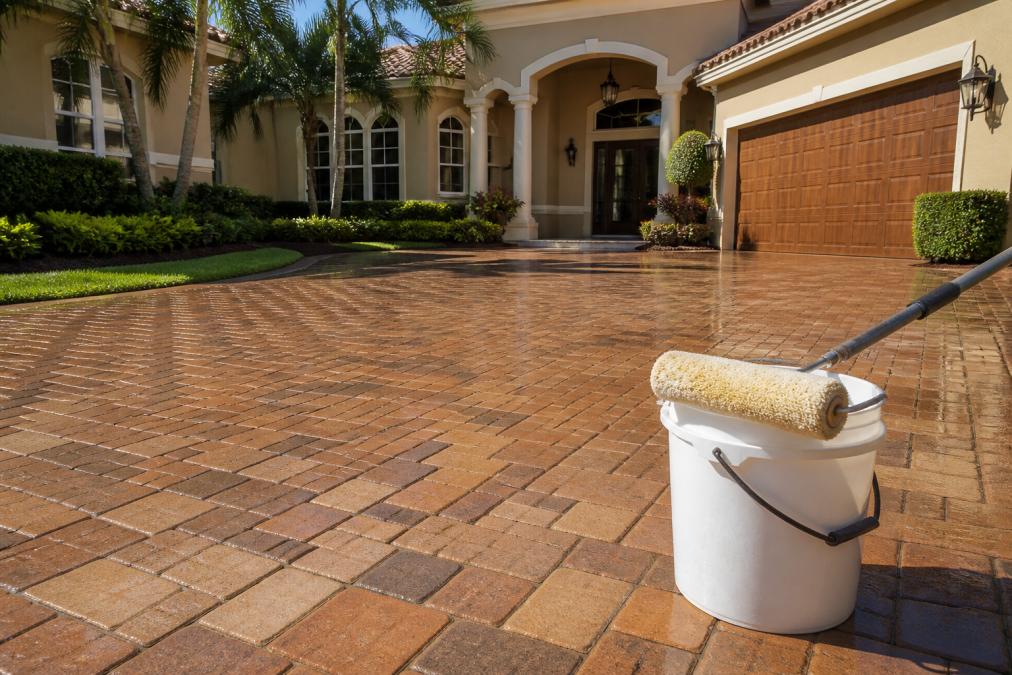
That’s where professional paver sealing services come in. A quality seal creates a protective barrier that keeps moisture out, prevents staining, and preserves the structural integrity of your pavers. At Freedom Wash Club, we’ve spent over a decade helping homeowners and property managers protect their investments through expert sealing and maintenance.
The difference between a sealed and unsealed paver surface isn’t subtle. Sealed pavers resist mold and mildew growth, stay cleaner longer, and maintain their appearance for years. They’re also easier to maintain, dirt doesn’t bond as permanently to the surface, making routine cleaning faster and less intensive.
This guide covers everything you need to know about selecting the right paver sealing services, understanding the process, and maintaining your pavers long-term.
Benefits of Paver Sealing for Your Property
Professional paver sealing delivers tangible benefits that go beyond appearance. Here’s what property owners actually see after sealing their pavers.
Protection against the elements. Pavers are porous. Without a seal, water penetrates the surface and settles in the base layers, where freeze-thaw cycles crack the material. A quality seal blocks water penetration while still allowing the substrate to breathe. This extends the lifespan of your pavers by years.
Stain resistance and easier cleaning. Sealed pavers resist oil stains, rust marks, and organic growth like algae and moss. When spills do happen, they sit on the surface rather than soaking in. Routine cleaning becomes faster, you can often rinse away dirt with a garden hose instead of requiring high-pressure equipment.
Enhanced curb appeal and property value. A freshly sealed driveway or patio looks noticeably richer, colors deepen, the surface appears wet and lustrous (depending on the sealer type). This visual upgrade is one of the first things potential buyers notice. Properties with well-maintained exterior surfaces command higher asking prices.
Reduced maintenance costs. Sealing prevents costly repairs down the line. Joint re-sanding, paver replacement, and base layer reconstruction are expensive. A preventive seal costs far less than fixing damage after it occurs.
Compliance with HOA standards. Many homeowners associations require regular exterior maintenance. A sealed, clean driveway keeps you compliant and avoids fines. Freedom Wash Club helps property owners stay ahead of HOA requirements with scheduled maintenance plans.
How to Clean Driveway Without Pressure Washer
Not every driveway cleaning requires industrial equipment. For light maintenance between professional services, you can remove surface dirt and prevent buildup using gentler methods.
Soft washing with a garden hose and brush. A stiff-bristled deck brush and a regular garden hose handle most surface dirt effectively. Wet the pavers thoroughly, scrub in circular motions to break up algae and moss, then rinse. This works well for seasonal maintenance and prevents heavy organic growth from establishing.
Baking soda and vinegar for organic stains. Mix equal parts white vinegar and water in a spray bottle. Spray the affected area, let it sit for 15-20 minutes, then scrub with a brush and rinse. For stubborn algae or moss, sprinkle baking soda on the wet surface first, then spray the vinegar solution. The chemical reaction helps lift growth without damaging the pavers.
Spot cleaning with mild detergent. For localized stains, a solution of mild dish soap and water works on many surfaces. Avoid harsh chemical cleaners that can degrade sealers or discolor pavers. Test any cleaning solution on a hidden area first.
Regular sweeping and debris removal. The easiest maintenance is prevention. Sweep pavers weekly to remove leaves, dirt, and debris that trap moisture and promote mold growth. Clear gutters and downspouts so water drains away from paved surfaces.
When buildup becomes heavy or stains are set in, professional pressure washing combined with expert sealing is the most effective solution. Freedom Wash Club offers both driveway cleaning and comprehensive paver sealing to restore and protect your surfaces.
Top Paver Sealing Services Compared
The paver sealing market includes several reputable providers across the region. Here’s how the leading options stack up.
Freedom Wash Club: Licensed Local Experts with 10+ Years Experience
Freedom Wash Club stands out as the top choice for homeowners seeking reliable, locally owned paver sealing services. With over a decade of experience, the team combines professional expertise with customer-focused service.
What makes them the best fit: Licensed and insured operations, easy scheduling over phone or text, and a 100% satisfaction guarantee. The company handles the full range of exterior services, paver sealing, pressure washing, soft wash roof cleanings, house wash and exterior home cleaning, driveway cleaning, and pool deck cleaning. This comprehensive approach means you can coordinate multiple services in a single visit.
Standout features:
- No in-person estimates required, book based on photos and descriptions
- Locally owned and operated in South Florida
- Handles residential and commercial properties
- 100% satisfaction guarantee on all work
- Flexible scheduling that works around your calendar
Best for: Homeowners who value convenience, local expertise, and comprehensive exterior maintenance from a single trusted provider.
Hard Surface Masters: Certified Technicians for Residential and Commercial
Hard Surface Masters brings certified expertise to paver sealing and hard surface restoration. Their technicians focus specifically on professional-grade cleaning and sealing for both residential and commercial properties.
What works: High customer ratings, fully insured operations, and specialized knowledge of hard surface restoration.
Wash N’ Seal: Established Provider with 20+ Years in the Industry
With two decades of industry experience, Wash N’ Seal brings deep knowledge of South Florida’s climate and paver maintenance challenges. Their longevity signals reliability and established processes.
Paver Sealing FL: Specialized Joint Re-sanding and Restoration
Paver Sealing FL specializes in the Tampa Bay area and focuses on brick paver restoration with particular expertise in joint re-sanding and stabilization. This specialization matters when pavers have settled or joints are deteriorating.
Limitations: Geographically restricted to the Tampa Bay region.
Tropical Paver Sealing: Fast Estimates and Wide Regional Coverage
Tropical Paver Sealing emphasizes rapid turnaround and broad regional reach across Central and West Florida. If speed is a priority, their efficient estimate process and scheduling appeal to homeowners on tight timelines.
Limitations: Pricing varies significantly by project scope.
When comparing paver sealing services, prioritize licensed and insured providers over budget-only options. A low-cost seal that fails within a year can cost more than a professional application.
Paver Sealing Frequency: How Often to Reseal
The lifespan of a paver seal depends on several factors: the type of sealer used, local climate conditions, foot traffic, and maintenance practices.
Our Sealing Process and What to Expect
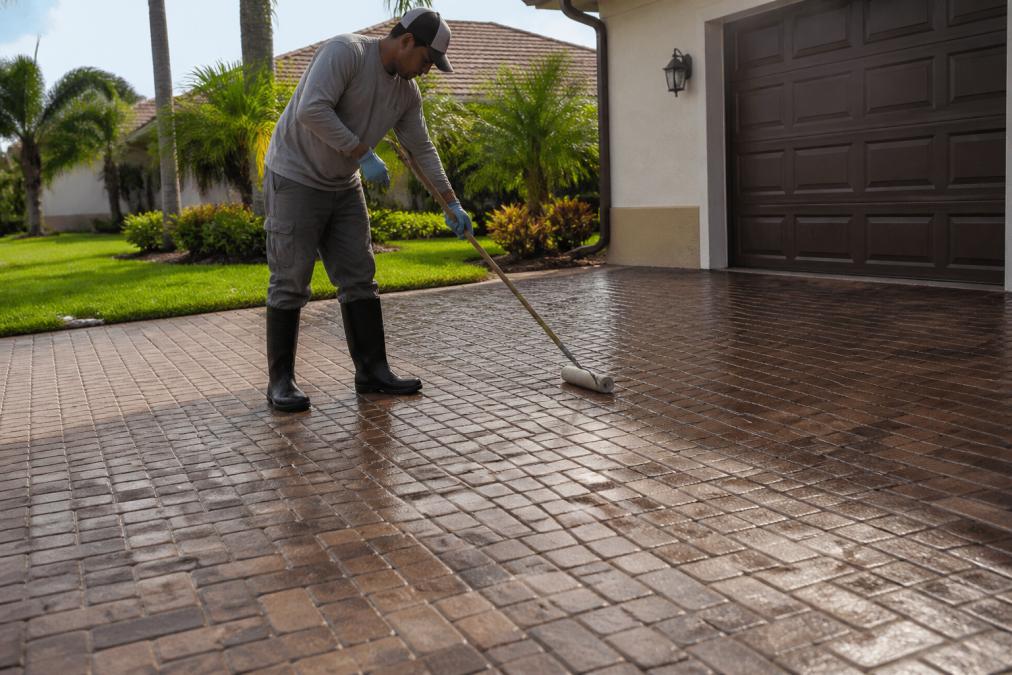
Professional paver sealing follows a methodical process that ensures proper adhesion and maximum protection.
The difference between DIY sealing and professional application is significant. Professional-grade sealers, proper surface preparation, and correct application technique deliver lasting results.
Environmental Impact and Maintenance Considerations
Modern paver sealing products balance protection with environmental responsibility.
Water-based sealers have lower VOC (volatile organic compound) emissions than solvent-based alternatives. They’re safer for applicators, less harmful to surrounding vegetation, and don’t contribute as heavily to air quality issues. Many professionals now default to water-based options for residential applications.
| Service Type | Frequency | Best For | Key Benefit |
|---|---|---|---|
| Paver sealing | Every 2-3 years | All paver surfaces | Stain prevention and water protection |
| Pressure washing | Annually or as needed | Heavy soiling or algae | Removes buildup before sealing |
| Soft wash roof cleaning | Annually | Mold and algae prevention | Gentle on surfaces, prevents regrowth |
| House wash and exterior cleaning | Annually | Overall property maintenance | Maintains curb appeal and prevents damage |
| Driveway cleaning | 1-2 times annually | High-traffic areas | Prevents stain setting and joint deterioration |
| Pool deck cleaning | Seasonally | Slip prevention and aesthetics | Removes algae and maintains safety |
Frequently Asked Questions
How often should you seal pavers in a humid climate?
In humid climates like South Florida, paver sealing frequency typically ranges from every 2 to 3 years. High moisture, salt air, and intense UV exposure accelerate sealer breakdown. Professional paver sealing services recommend annual inspections to check for fading or water beading loss. Your specific resealing schedule depends on traffic level, sealer type (water-based vs. solvent-based), and whether you use non-slip additives. Freedom Wash Club can assess your pavers and recommend a custom maintenance plan during your free consultation.
What are the main benefits of professional paver sealing?
Professional paver sealing delivers multiple advantages: UV resistance prevents color fading, stain prevention protects against oil and dirt, mold and mildew treatment keeps surfaces clean longer, and weatherproofing extends paver lifespan. Sealing also enhances curb appeal with a wet look or matte finish option, prevents efflorescence (white haze), and stabilizes polymeric sand in joints. For homeowners facing HOA fines or preparing properties for sale, paver sealing restores visual appeal and demonstrates proper maintenance, protecting your property value.
Can you seal pavers yourself, or is professional application necessary?
While DIY sealing is possible, professional application often delivers superior results. Licensed contractors perform proper surface preparation, remove efflorescence, and apply professional-grade sealers at correct thickness. Mistakes like uneven application, inadequate cleaning, or using the wrong sealer type can impact durability and may cause slippery surfaces or discoloration. Professional services, like those offered by Freedom Wash Club, include pressure washing, joint stabilization, and carry insurance and satisfaction guarantees. For many homeowners, the benefits of professional service are justified by longevity, appearance, and peace of mind that the work meets industry standards.
What’s the difference between water-based and solvent-based paver sealers?
Water-based sealers are environmentally friendly, low-odor, and easier to clean up, making them ideal for residential properties. They typically dry faster and work well for matte finishes. Solvent-based sealers offer superior durability, deeper color enhancement, and better wet-look finishes, but emit stronger odors and require longer drying times. Solvent-based options excel in high-traffic areas and provide longer protection in harsh climates. Professional contractors select the right sealer type based on your paver material, desired finish, traffic patterns, and climate conditions. Your sealing service should explain both options during the estimate process.